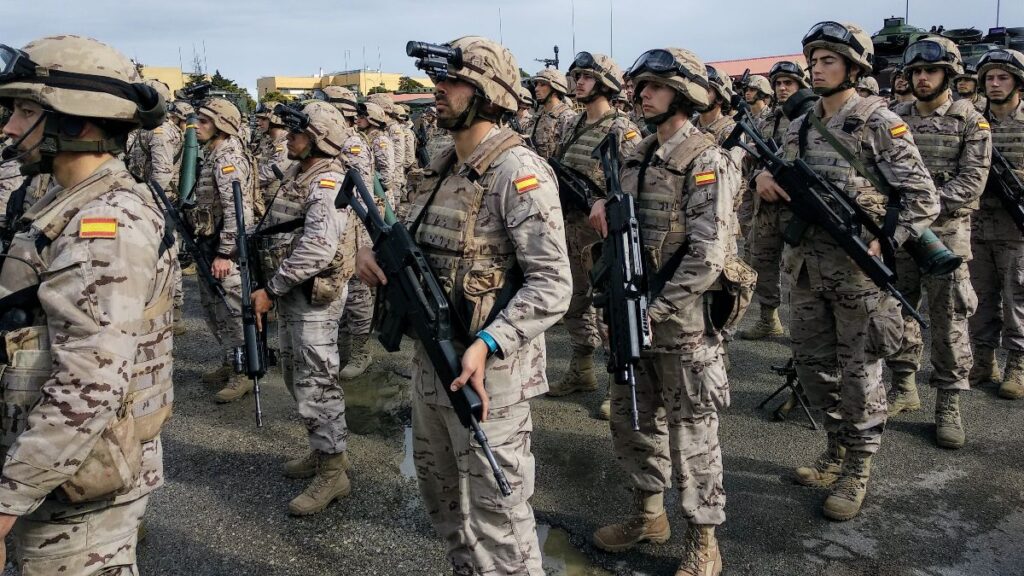
What would happen in Spain if compulsory military service returned? This is a question that returns with force in 2026, and the international context leaves it on a plate. The escalation of tensions in the Middle East, with the conflict between Iran, Israel and the United States causing increases in the price of oil and constant changes in the markets, together with a war in Ukraine that is still active, makes us think that anything could happen.
It is true that Spain has not yet said anything about it, but other European countries have done so. And Germany has already launched a new military service model, which has been in force since January 1, 2026, as stated the official website of the Bundeswehr (German Armed Forces). This is a key reform with which Berlin seeks to strengthen its defense capacity against possible global threats.
A counselor explains the 4 types of employees and which one is best for companies: “He doesn’t negotiate, he doesn’t make people uncomfortable, and he doesn’t leave. It’s perfect.”
Adama Faye, Senegalese businessman: “Let them come with a contract and not on a boat, there are already many deaths at sea”
The measure is part of a broader strategy to increase the size of the Army and improve the population’s preparation for a possible international crisis scenario. In fact, this country had already been warning of its intentions in recent years, when it announced that in 2026 it would implement military service again.
A voluntary military service… but with obligations
Unlike the old “military”, eliminated in Germany in 2011, the new system is not mandatory as such, but it does introduce elements of control and registration.
As the Bundeswehr explains, the model is based on voluntary participation, although it includes a key obligation:
- All young people (especially men born after 2008) must register, fill out a questionnaire and undergo medical evaluations
That is, not everyone is obliged to enlist, but they are obliged to enter the military system.
Furthermore, the German Government leaves the door open to tighten the model: if the number of volunteers is not sufficient or the international situation worsens, compulsory military service could be reactivated by parliamentary decision.
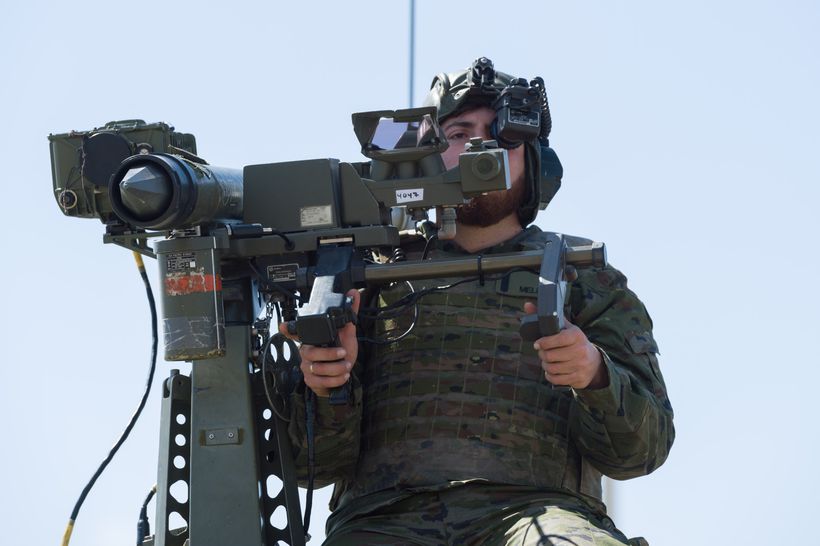
Salaries of more than 2,600 euros and military training for six months
One of the great attractions of the new model is the salary.
Recruits can earn:
- At least 2,600 euros per month, according to official regulations
- Up to around 2,700 euros or more if the commitment exceeds 12 months
The service has a minimum duration of six months, and can be extended to eleven or more, with the possibility of pursuing a career within the Army.
During that time, young people receive training in:
- Territory defense
- Protection of strategic infrastructures
- First aid and basic military skills
- Discipline, leadership and teamwork
In addition, they have additional benefits such as accommodation, food or transportation, which increases the attractiveness of the program.
Germany wants to expand its Army to 260,000 soldiers
The German Government’s objective is clear:
- Go from about 180,000 current soldiers to 260,000 troops in the coming years
To achieve this, the new model seeks to recruit tens of thousands of young people each year, with a first phase of about 20,000 recruits annually.
This expansion responds directly to the new international context, where Europe once again focuses on defense after years of military reduction.
New rules: permission to travel abroad and military control
The reform not only affects recruitment. It also introduces important changes in the lives of young people.
Since 2026, men between 17 and 45 years old must communicate or request authorization if they want to spend more than three months abroad.
The objective, according to the Ministry of Defense, is:
- Know where citizens are in case of emergency
- Facilitate rapid mobilization if necessary
Although in practice, as long as the service remains voluntary, this authorization is granted automatically, the measure has generated criticism as a step towards greater militarization of society.
A model designed for times of global uncertainty
The implementation of this new military service cannot be understood without the current context:
- War in Ukraine.
- Growing tension between Iran, Israel and the US
- Energy and strategic risks in areas such as the Strait of Hormuz.
Europe, and especially Germany, is strengthening its defensive capacity in the face of a scenario that many governments consider increasingly unstable.
Could the military return in Spain?
While Germany has already activated this new system, in Spain compulsory military service has remained suspended since 2001.
However, the debate re-emerges with increasing force. The German model, voluntary but with some mandatory things, could serve as a reference for other European countries if the international situation continues to deteriorate.
For now, what is a reality is that the “military” has returned to Europe. And this time, with higher salaries, more flexibility… but also with more control over young people.