Selling a mobile phone, a computer, a piece of furniture or any other thing that we no longer use through second-hand platforms, such as Wallapop or Vinted, is increasingly common. Hence, the Tax Agency has even gone to great lengths to control this type of transfers, making it clear when they need to be declared and when not.
The modus operandi is almost always the same: the buyer arrives, supposedly makes the transfer and shows proof on his phone showing that the payment has been made. Everything seems fine and the seller therefore gives you the product. That’s where the problem comes.
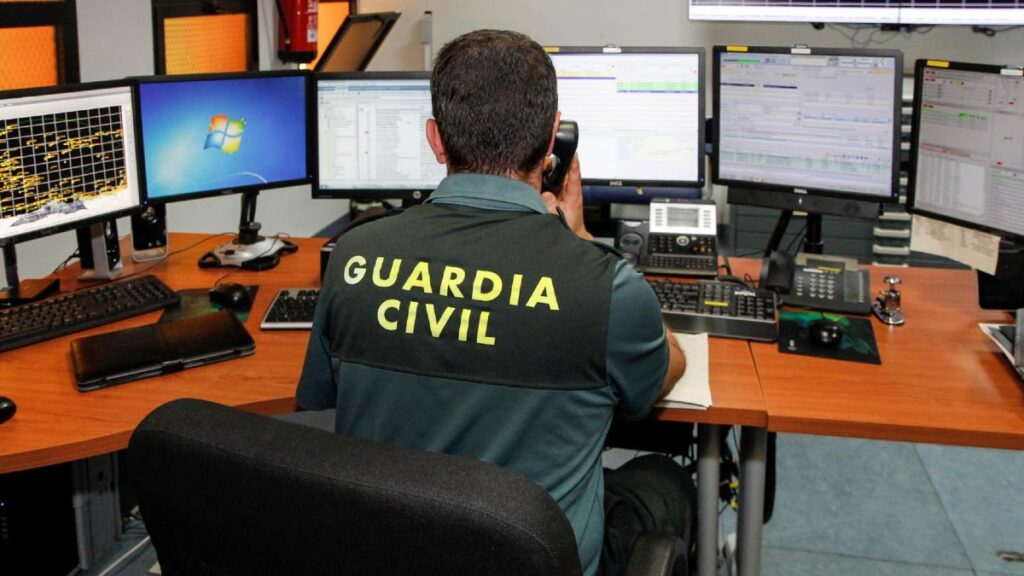
And the Civil Guard has launched a notice through its official X profile precisely about what happens when we sell second-hand products and we go to deliver them thinking that they have already paid us.
“They buy you something second-hand. They show you proof of the transfer. And they ask you to hand over the item,” the post begins.
The problem is that seeing a receipt does not necessarily mean that the money has actually reached our account. And this is the warning issued by the security forces.
Check that the money is available before delivering the product
The Civil Guard’s recommendation is easy, since they only ask that before delivering what we are selling, we must check directly in our bank’s app that the money is really available.
That is to say, it is not enough for the buyer to show us from his mobile phone a screen where an alleged transfer appears.
“Do not trust only what appears on the buyer’s mobile phone,” the body warns.
The verification must be done from our own bank account or through the official channels of our entity.
If the money is not yet available, the most prudent thing to do is to wait before delivering the item, even if the other person claims that the transfer has already been made.
A receipt does not necessarily equate to a charge
When selling something in person, that is, when the courier shipping option is not used, there can be some pressure to finish sooner. The buyer can show proof, assure that the money will take a few minutes to appear, or insist that they have already made the payment correctly.
Now, the Civil Guard recommends not delivering the product until we can check it for ourselves.
“A receipt does not always mean that you have received payment,” he summarizes.
Therefore, the important thing is to differentiate between seeing proof of payment on someone else’s device and verifying that the money is actually in our account.
The recommendation is especially important when it comes to products of certain value, such as mobile phones, computers, consoles or other items that, once delivered, may be difficult to recover.
Thus, before closing any second-hand sale, it is advisable to follow a fairly simple rule: first check the income and then deliver the product.
The Civil Guard warns about the photos you upload to social networks: “Sometimes, important information is in the background”
National Police and Civil Guard close ranks for the 35-hour work day and denounce the “abandonment” and “labor discrimination” by Grande – Marlaska
Because, as the Civil Guard reminds us, an image, a screen or a supposed receipt does not replace the actual verification of the money in our bank account.