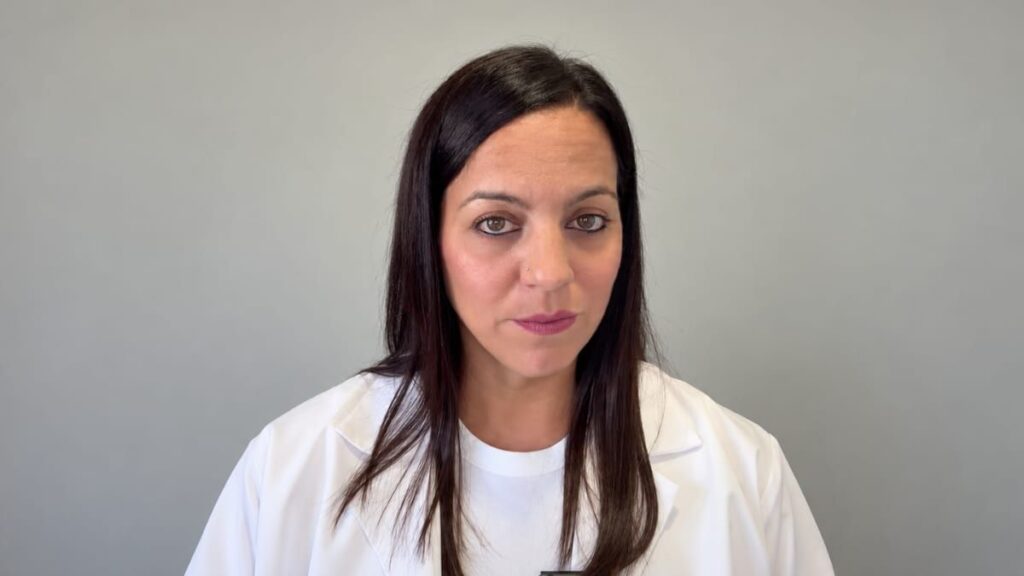
The objective of the permanent disability pension is to guarantee a minimum income for the worker who, due to illness or accident, has had his or her ability to work partially, totally or absolutely limited, whether in his or her usual profession or any other. To access it, it is necessary for Social Security to approve it after an examination by the Medical Court. The problem is that the majority of requests are denied, as explained by medical expert Amor Gil Díaz, who points out that “9 out of 10 requests for permanent disability are denied in the first instance.”
Gil is an “independent medical expert” and prepares reports for those workers who claim this pension due to their ailments. In a video published on social networks, he points out that a large part of these denials come for the same reason.
If we look at the Social Security statistics, during 2025, the National Social Security Institute (INSS) resolved 268,028 permanent disability files and only 29.97% ended in favor of the worker. Thus, it can be said that seven out of ten workers do not see their disability recognized.
The importance of medical reports
The expert agrees, like many lawyers specialized in permanent disability, such as Víctor Arpa, that the problem is in the medical reports or in the file: “The file was not well constructed from the beginning.”
Gil explains that, without this prior analysis, patients go to the Medical Court (the Disability Assessment Team, which examines the worker and proposes whether a grade corresponds) without knowing “if they meet the legal requirements”, “without having the functional limitations correctly documented” and “without the medical-legal argument that the INSS needs to read.” In other words, it is not explained what injuries prevent you from working according to the law.
Functional limitations are what the disease prevents from doing at work (bearing weight, standing, concentrating), and a serious diagnosis is not enough if the medical court does not appreciate them. In fact, this is what happened to a janitor with cancer and a 65% disability who was denied disability by Social Security for not appreciating “functional limitations.”
In the event that an application has been rejected, it can be claimed, with a period of 30 business days to present the prior claim to Social Security, which has 45 days to give a response (if it does not do so, it is understood to have been denied due to administrative silence). After that period there are another 30 days to sue before the Social Court.
Going to court can change the decision, since, if we take the data, between 2018 and 2020, 35.52% of the 136,884 sentences on permanent disability issued in all instances were contrary to Social Security (data collected by the then deputy Pablo Cambronero in a question registered in Congress).
Luis Alfonso and Alberto Iglesias, lawyers, warn about disability and permanent disability: “They are not the same”

Social Security asks to return 38,795.11 euros to a pensioner with absolute permanent disability for working after retirement age, although he knew about it since 2014, and the court annuls it because he was never notified
To avoid this entire process, which can take months, Gil recommends reviewing the documentation before taking any step and knowing “if your case has a long history, what degree is most sustainable” and what needs to be reinforced. “This way you arrive at the process with the correct file, not with the one you had,” concludes the medical expert Amor Gil Díaz.