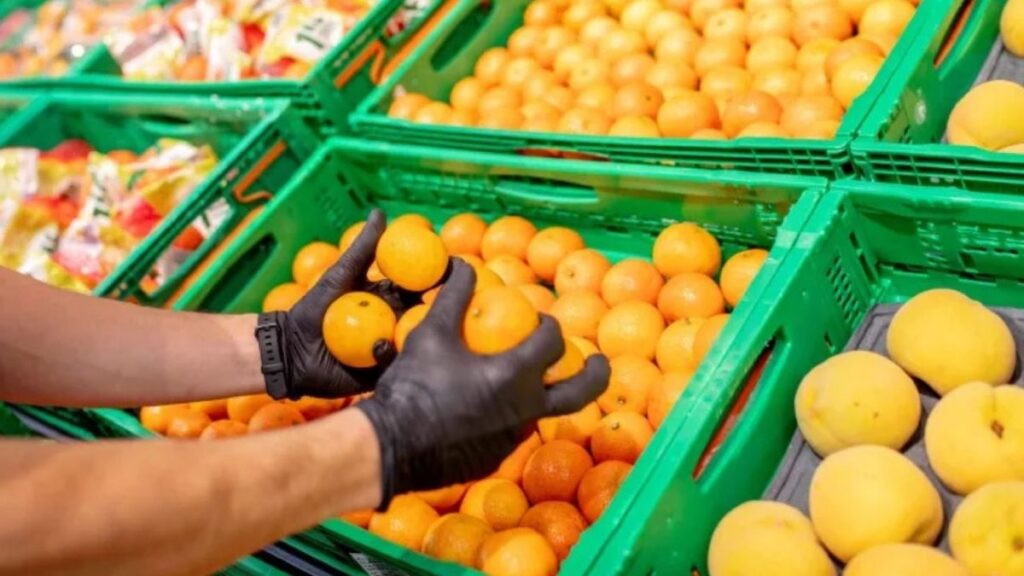
For much of the year, tangerines fill fruit baskets and shopping carts with an aroma so unmistakable that it quickly reminds us of their flavor. At Mercadona, that smell is, above all, an aroma of the countryside.
From October to the end of June, all of the mandarins distributed by the chain come from national farms. According to company data, more than 90% of this fruit is of Spanish origin, which are placed on the counter from October to June, coinciding with the coldest months.
100% Spanish product
For this product to travel from the fields of the Valencian Community, Andalusia, Murcia or Catalonia directly to your table, the key is to think about a network of more than 2,000 local farmers.
Companies like Fontestad, Bollo or Anecoop work around the clock every day so that what is collected in the morning is in the supermarket just a few hours later. According to the latest data, Spain is the European leader with more than 2.3 million tons annually, and this is evident in the freshness of the fruit.
Seven varieties so you don’t get bored of the flavor
So that they are never missing from the fruit bowl, Mercadona rotates the product according to the month; This is how he manages to have tangerines for nine months in a row. And if you like this fruit, you will surely have noticed that the flavor and texture change subtly over the months.
It all starts in October with the Oronules, that early orange mandarin that gives us the first bite of the season. Shortly after comes the Clemenules, the true queen of autumn: it is the typical one that peels almost by itself, has no seeds and melts in the mouth, ideal for the little ones.
With winter, Clemenvilla appears, something more compact that makes way for the varieties premium of spring such as Tango, Nadorcott or Orri. The latter are the favorites for their sweetness, endurance and care.
What about the rest of the year?
The campaign says goodbye in June with the Ortanique, a larger mandarin, but loaded with juice that puts the finishing touch to nine months of 100% Spanish flavor. This guarantees the Code of Good Business Practices maintained by the company and which ensures stable prices for the consumer.
Once the campaign is over, the field takes a short break. Only between August and September, when the natural cycle of the trees stops, is importing resorted to so that there is no shortage of mandarins.
As in the southern hemisphere the seasons go backwards, the fruit is at its best during these months. That is why they opt for South Africa, which thanks to its technology, sends citrus fruits that fit perfectly with Spain. Chile, Peru and Morocco are also large importers that lend their hand at the beginning or end of the season.