


The European Union has ratified the new ‘Right to Repair’, a directive that obliges manufacturers to make mobile and laptop repairs easier and cheaper. The rule, which comes into force this July, seeks to make repairing the device always the first option before having to buy a new one.
This law prohibits brands from blocking the use of cheap replacement parts and requires that devices be easier to open. In fact, starting in February 2027, all mobile phones must have batteries that the user can change at home, without glue or complicated tools.
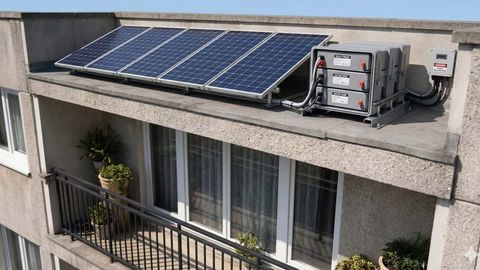
A Romanian installs solar panels and domestic batteries in his home and manages to reduce his electricity bill from 100 euros to zero

The Government changes the rules: Erasmus+ aid may have substitute beneficiaries if the credit is exhausted
The objective of Brussels is to reverse the current trend where the cost of repairing a screen or battery is so high that it pushes the consumer to buy a new terminal. To avoid this, the law requires that original parts have “reasonable and non-dissuasive” prices and obliges brands to offer spare parts and repair manuals for at least ten years.
Repair Award
One of the most forceful measures is the prohibition of serial pairing or pairing of pieces. Until now, many manufacturers programmed their devices to stop working correctly if an unofficial component was installed. Under the new law, this practice is illegal:
- Compatible parts: Manufacturers must allow the use of second-hand or other brand spare parts.
- Warranty incentive: Users who decide to repair their device within the legal warranty period will automatically receive an extension of an additional 12 months of coverage.
February 2027, key date
Although the directive has already come into force, the real change will come in February 2027. On that date, it will be mandatory for any citizen to be able to change the battery of their mobile phone without the need for complex tools.
This redesign seeks to stop the generation of electronic waste. According to UN data, the world generates 62 million tons of technological waste per year, of which Spain contributes one million.
“Extending the useful life of our phones and laptops has the potential to avoid the emission of 28 million tons of CO2 between now and 2040,” the organization ‘Right to Repair’ points out.
With this legal framework, the European Union takes a decisive step towards the circular economy, prioritizing family savings and climate urgency over the programmed expiration strategies of the technological giants.