

When a worker has been on sick leave for many months due to an illness or an accident that does not resolve, he or she usually receives sooner or later a short message on his or her mobile phone informing him or her that Social Security has initiated a permanent disability file. It is a technical SMS, without nuances, and for those who do not know the procedure it is easily alarming. The immediate question is whether this notice means that the disability has already been granted, that the medical leave ends and that the worker’s entire economic situation suddenly changes.
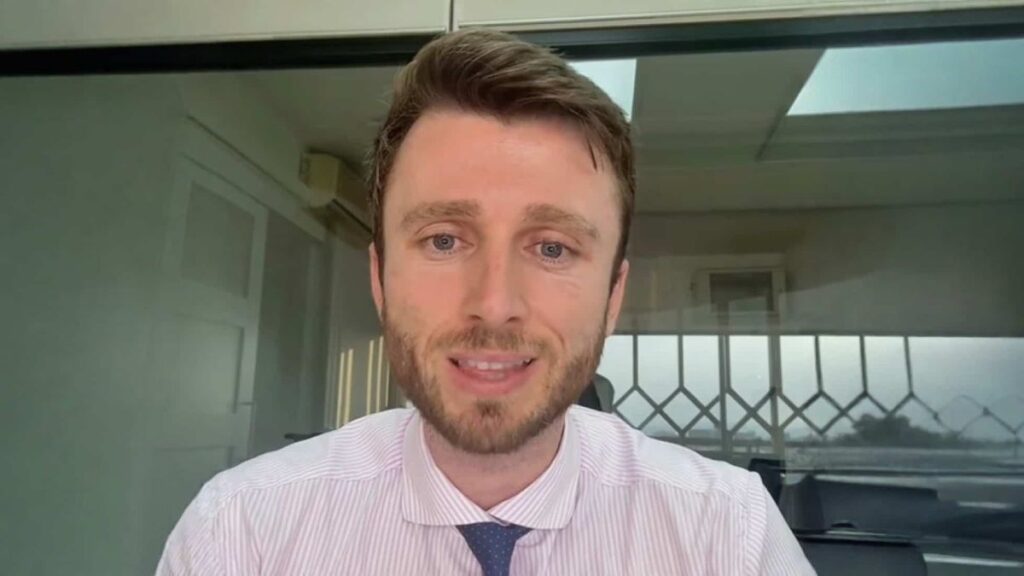
That was the urgent query that labor lawyer Víctor Arpa received from a client with almost two years of sick leave due to temporary disability due to an accident. Arpa himself, who receives questions about permanent disability on a daily basis through his social networks, has recounted the case in a video published on TikTok to warn that this message does not grant anything on its own and to explain what procedure is opened from there.

Ignacio de la Calzada, labor lawyer, advises when you can request permanent disability without exhausting the medical leave: “you can go ahead because the law establishes it”

Social Security denies permanent disability to a bricklayer with diabetes and a chronic ulcer and the Court endorses it: he did not meet the minimum contribution period
What exactly does that Social Security SMS mean?
Arpa recounts the call the worker made almost as soon as he received the notice. “A concerned client calls me today and tells me: I received an SMS from Social Security, they have given me permanent disability,” says the lawyer. A worker who had been on sick leave for almost two years, with anxiety, pain, doctors and rehabilitation, and who suddenly came across a message that made him fear the worst about his future job.
The explanation that Arpa conveyed to him is the same one that he now repeats to his followers. “That SMS does not mean that you have already been granted disability. It means that Social Security has seen sufficient evidence to study your case,” the lawyer clarifies. The notice, therefore, opens an ex officio procedure, but does not resolve anything yet. According to Arpa, it usually arrives when “INSS itself understands that you probably cannot return to your usual job,” a prior assessment that activates the review, but is not equivalent to a firm resolution.
The official Social Security portal on the permanent disability pension explains the same procedure. After the start of the file, the worker must undergo an assessment by the Disability Assessment Team, known as the medical tribunal, which studies the clinical reports and issues a ruling.
Based on this opinion, the provincial management issues the resolution that recognizes or denies the disability and, where appropriate, sets the degree. To reach this assessment with the most reinforced request, Arpa himself recalls in another of his interventions that there is a document with which many permanent disability pensions are earned and that it is advisable to ask the company before appearing before the court.
What comes after the warning and why it is advisable not to give up
From the SMS, according to Arpa himself, “a procedure, medical court, review, reports and finally a resolution begins.” While this entire journey lasts, the worker remains on sick leave and the benefit is maintained, although Arpa himself has already warned in other interventions that when the 18 months of medical leave are completed, the worker stops contributing and the company suspends his contract. The resolution may agree to a medical discharge with return to the position, grant a permanent disability in any of its degrees or decree an exceptional extension of the sick leave, without the initial notice anticipating which of the three options will occur.
The problem, the lawyer warns, is not only legal but emotional. “It is hard enough to be sick without also having to decipher Social Security messages on your own,” recalls Arpa, who maintains that the majority of workers experience the entire process “completely lost” because no one explains to them what is happening with their work life while they wait for the resolution.
His final advice is direct and leaves little room for panic. “If you have received one of these SMS, don’t worry, inform yourself well before drawing conclusions,” insists the lawyer.