

The Federation of Industry, Construction and Agriculture (FICA) of UGT has initiated the formal procedure before the Ministry of Inclusion, Social Security and Migration to request that reducing coefficients be applied to the retirement age. That is, being able to retire early without suffering any penalties.
This rule would affect workers in the stone cutting, carving and finishing sectors, as well as those in the manufacturing of other non-metallic mineral products. The petition is protected by Royal Decree 402/2025 (consultable in this BOE), which we remember is the rule that the Government signed with unions and employers to reduce the retirement age in those jobs that are “of an exceptionally painful, toxic, dangerous or unhealthy nature and show high rates of morbidity or mortality.”
You may be interested

Congress asks that Social Security stop penalizing early retirements with more than 40 years of contributions

The Supreme Court confirms that retiring early due to an ERE is not “voluntary” and gives the right to maternity supplement
To motivate this reduction in the retirement age, the union bases it by explaining that these workers comply with the requirements of the regulations, that is, that they are of a “distressing, toxic, dangerous or unhealthy nature” according to a statement this Friday.
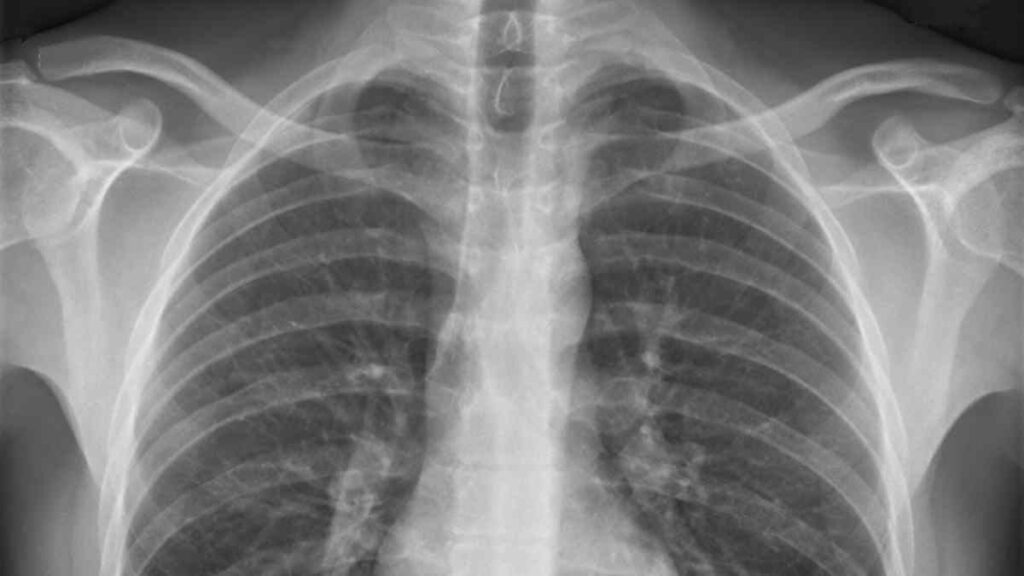
The central argument of the federation is the exposure to dust free of Respirable Crystalline Silica (RCS) that is generated in these activities. The union recalls that SCR is officially categorized as a carcinogenic agent according to Royal Decree 665/1997.
Continued exposure to this agent can cause silicosis and lung cancer, both pathologies recognized as ‘Occupational Diseases’ by the Spanish health system. UGT FICA hopes that the General Directorate of Social Security Management will consider the request and begin the feasibility analysis.
Reduce the retirement age
To support this request, the union organization refers to the study “The re-emergence of silicosis in Spain”, published by the Ministry of Health. This analysis identifies the “manufacturing of other non-metallic mineral products” sector as the sector with the greatest growth in this disease. The data from the ministry’s report shows that this sector accumulated 50% of the total reports of occupational disease due to silicosis in the study period (1990-2023).
Within this sector, the activity of “Stone cutting, carving and finishing” is the one with the highest incidence, since between 2007 and 2019, this specific professional activity, which includes work with artificial stone such as quartz agglomerates and porcelain tiles, represented 93.4% of the sector’s shares.
This trend, far from decreasing, seems to have consolidated. In the most recent four-year period, from 2020 to 2023, the non-metallic mineral products sector accumulates 59% of the total parts, 90.4% of which correspond, again, to the cutting and finishing of the stone.