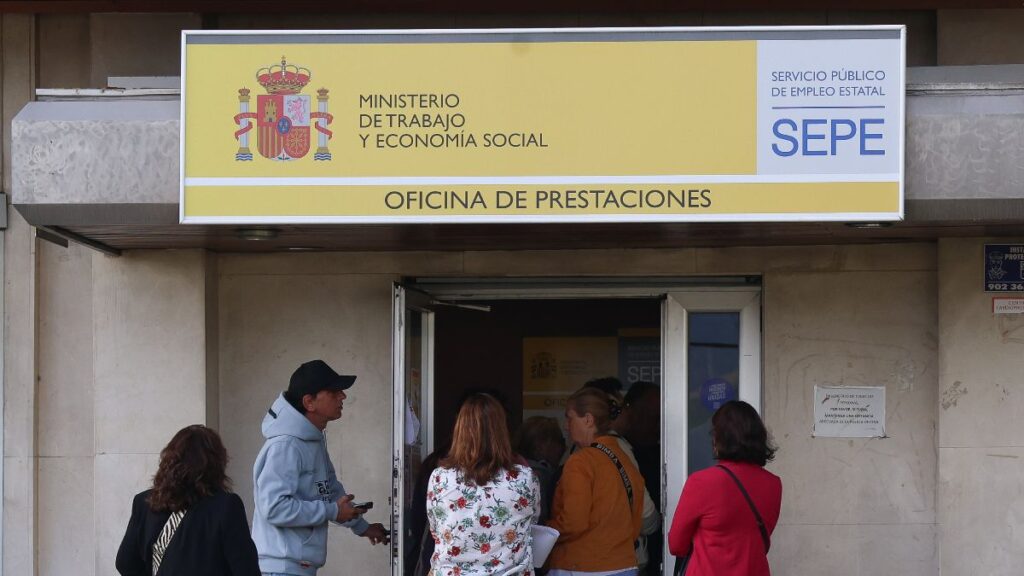
A woman will not have to return 11,740.10 euros to the State Public Employment Service (SEPE) despite having received the subsidy for those over 52 years of age as a pensioner with a total permanent disability. The SEPE had approved it by mistake, since it did not meet the contribution requirement, but now the Supreme Court says that, on the one hand, the error was on the part of the SEPE and, on the other, that forcing her to return the money would violate her right to property.
The ruling explains that the woman was already receiving a pension for total permanent disability (for her usual profession) and that, in September 2020, the SEPE approved her unemployment benefit for those over 52 years of age. In this way, he managed to collect the total amount of 11,740.10 euros over 2 years.
UPTA demands measures to facilitate early retirement for the self-employed and expand social protection
Subsidy for people over 52 years of age in 2026: amount, duration and requirements
The SEPE reviewed it and realized that the woman did not meet the generic requirement of 15 years of contributions to access the contributory retirement pension. The SEPE explained that the contributions prior to the recognition of permanent disability could not be computed for these purposes (a recent ruling explains that in reality they can), and therefore demanded the full refund of the money as an amount unduly received.
For this reason, the unemployed woman turned to the courts and after several processes in which she was found right, the dispute reached the Supreme Court through an appeal from the SEPE.
An error by the SEPE cannot fall on charity
In the Supreme Court, the woman asked that the Cakarevic doctrine of the European Court of Human Rights be applied, which protects those people who collect a benefit in good faith when the error comes from the Administration, in this case from the SEPE.
The High Body explains that the woman did not make any false allegations when requesting the subsidy, that she has suffered from a recognized disability since 2000 and that the amount collected covered basic needs. “The amount received as unemployment benefit is very modest (14.34 euros/day, which means 430.2 euros per month), so we must infer that it has been consumed by the beneficiary to meet his basic subsistence expenses,” the Chamber relates.
The Chamber explains that the 15-year contribution does not operate as an autonomous deficiency for this subsidy, but rather as a reflective effect of the legal requirement to meet the rest of the budgets to access contributory retirement. And he settles the issue with an idea that is already consolidated in his doctrine: “Since the errors were solely attributable to the authorities, they should not be remedied at the expense of the citizen, especially if he acted in good faith and if the amounts received covered basic needs.”
Thus and for everything explained, the court determines that demanding the return of the 11,740.10 euros would violate the right to property recognized in article 1 of Protocol 1 of the European Convention on Human Rights. Therefore, this woman will not have to return the money received for the subsidy for those over 52 years of age.