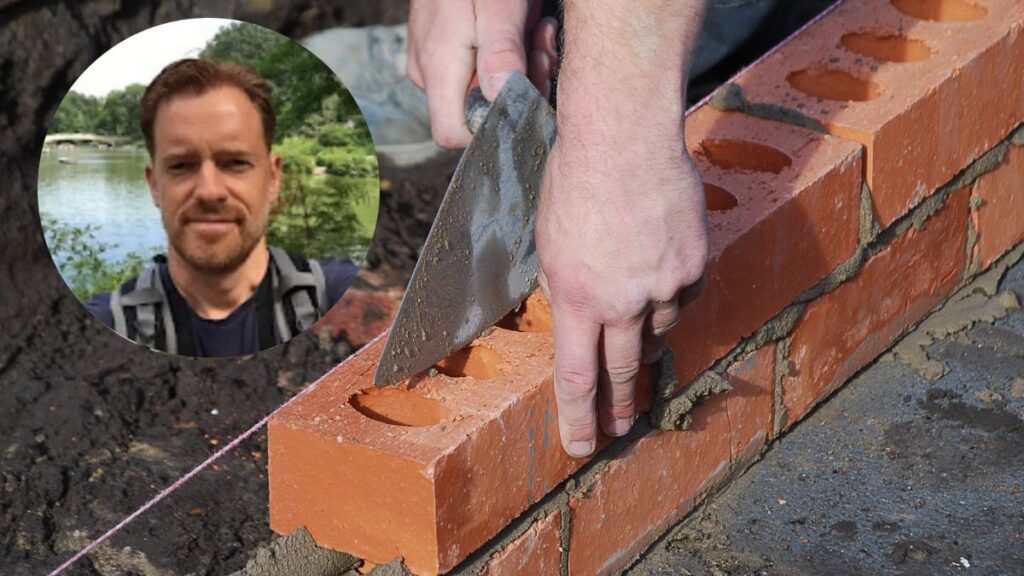


Bricklayers in particular and construction in general have been one of the most punished sectors in Spain, which is why many Spaniards dedicated to this sector look for opportunities in the Nordic countries due to their high salaries. One of these people is Pablo González, a bricklayer who left Spain in 2011 to settle in Norway.
In an interview conducted by The Spanishexplains in detail what it is like to work in one of the most prosperous countries in northern Europe and what the salary reality is after more than a decade in the Nordic country.
You may be interested

UGT approves the Government’s new proposal to raise the salaries of civil servants: 11% in four years

Javier, self-employed, speaks clearly about having a bar in Spain: “I invested 35,000 euros and now I am totally broke”
Since he arrived in the country, he describes a dynamic work scenario with great weight within the Norwegian economy. In his own words he explains that “the construction sector works very well in this country” and that there are “about 250,000 people who work in it”, which in other words is 8%. This volume has been able to be sustained thanks to the growth of infrastructure as well as the continuous development of the housing market, influenced by the birth rate and the arrival of the migrant population.
Regarding the big question about salaries, common for those considering working in northern Europe, González explains that this varies depending on the professional categories. As the worker explains, “in the case of painters, the salary is around 3,600 euros gross per month,” while “plumbers talk about around 4,100 euros” and “crane drivers come to earn around 4,400 euros.” Amounts that are also reached in positions such as heavy machinery drivers, always within the profiles most linked to the work.
Now, for more qualified positions the salary is higher. For example, for architects, engineers or project managers this is between 6,000 and 6,400 euros per month, figures that show the high demand for specialization in a country that maintains constant investments in roads, ports or railway networks.
Now having a high salary is good, but you also have to see what tax burden it has. On this topic, González relates that “more or less 30% of taxes must be subtracted from these amounts”, a high tax structure but one that is accompanied by public services and a quality of life much higher than the European average. Even with these deductions, salaries continue to be attractive for many Spanish professionals.
Just as wages and taxes matter, so does the work day. Working hours in Norway maintain a certain regularity, although they depend on the type of work. González points out that, in general terms, when working from Monday to Friday the day runs “from 8 in the morning to 4 in the afternoon”, but he insists that there may be different shifts.
In total, he estimates about “37 and a half hours a week more or less, plus all the extra hours that have to be worked”, with the particularity that the additional hours are well paid and are usually paid above the value of an ordinary hour.
In projects linked to civil engineering it is also common to work from Monday to Thursday. As he explains, this is because many construction sites are located in remote areas and workers need longer weekends to return home.