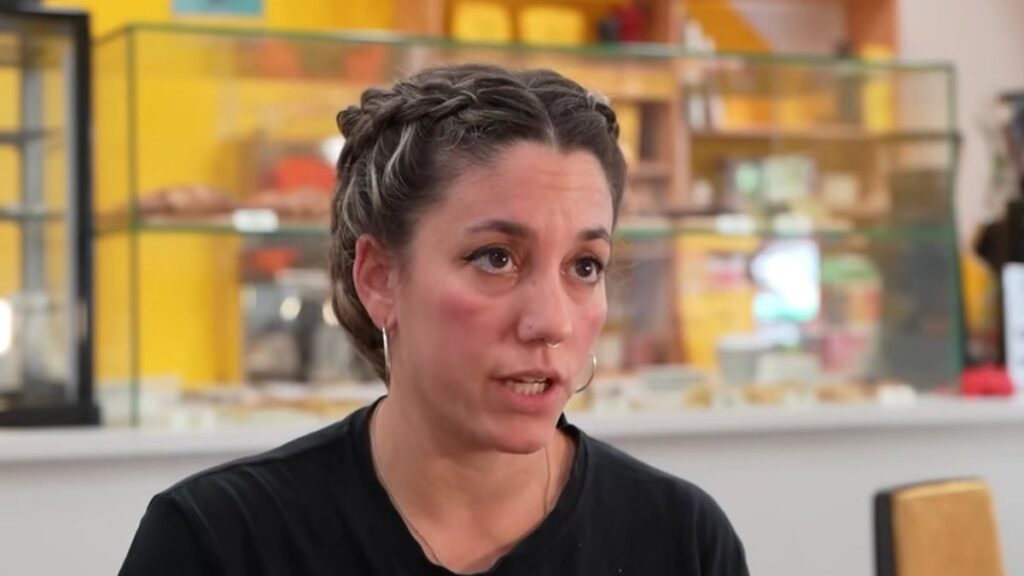


Starting your own business is a challenge for thousands of self-employed people in Spain and requires a large initial investment. To this expense we must add others such as employee salaries (if any), raw materials or marketing. These numbers are where Lorena, owner of the specialty coffee shop Bristol Coffee, located in the Barcelona town of Viladecans, moves.
As he explains in the podcast ‘The whole reality about setting up a coffee shop’, published on YouTube by content creator Eric Ponce, he built the establishment practically from scratch with an initial investment of more than 100,000 euros. With that, he paid for the transfer, a small renovation, the professional machinery and the first entry of stock.
You may be interested

Several retirees over 70 years old speak clearly: “we have not worked all our lives to now live in poverty”

The price of electricity today, Monday, November 10, 2025: soars by 39.69% and some hours will be close to 300 euros
What Lorena did is take a place where there was a bakery and convert it, she changed the license, bought the machinery and equipped the space, paying more than 105,000 euros for all of this. To cope, he had to invest his savings and ask for a loan from the bank, which he has already paid. “I have no debts, but I still haven’t recovered everything I invested. If we continue at the current pace, it will be paid off in three years,” he calculated.
“Everyone thought I would make gold with this business”
At breakfast time, mid-morning or in the afternoon and after dinner, currently few Spaniards refuse a cup of coffee. “Everyone told me that I would make a fortune with coffee,” explains Lorena, but the reality is different. And it operates in the business of so-called specialty coffee, which is characterized by high quality and that obviously has an impact on the price.
This type of gourmet coffee costs about 55 cents per cup, although the highest margin is left by pastries, which are homemade, and especially cookies are in high demand. “They sell much better than industrial croissants, although they require knowing how to organize and dedicate time to them. In winter I can sell around 60 or 70 cookies a day, and in summer about 15.”
“Of fifteen job interviews, nine appear”
Lorena explains in the video that one of the things that costs the most is finding staff. “Of fifteen interviews, nine are presented and only one comes.” He currently has two workers on the payroll, one works in the morning and the other in the afternoon. She is there almost all day. “Sometimes I think about transferring the premises, but then I calm down, business is going well and you have to know how to endure the bumps.”
In the case of employees, Lorena is clear that training “takes time and money” since each new signing implies having to start from scratch, “and when they are ready… they leave and start again.” Now he wants to consolidate a work team so he can take off some afternoons or go on vacation without having to close the establishment.
What Lorena has learned in 18 months of work
After a year and a half, the owner of this cafeteria has several things clear. The first is that I would start with two part-timers instead of one full-time person, to cover the casualties and not burn anyone out. In addition, it should promote what makes it different from other cafes, such as its cookies and cakes that it makes itself, and maintain the balance between sales and expenses to the millimeter.
“If I had to start over, I would do it the same way.” Because the business has not made her rich, but it has opened the doors to a new way of life.