For years it has been thought that having a gas station in Spain was synonymous with safe wealth, comparable to other businesses with fame of high profitability such as stagnations. However, reality is very different: it is a sector with reduced margins, a lot of competition and a high fiscal burden that forces to look for complementary income to survive.
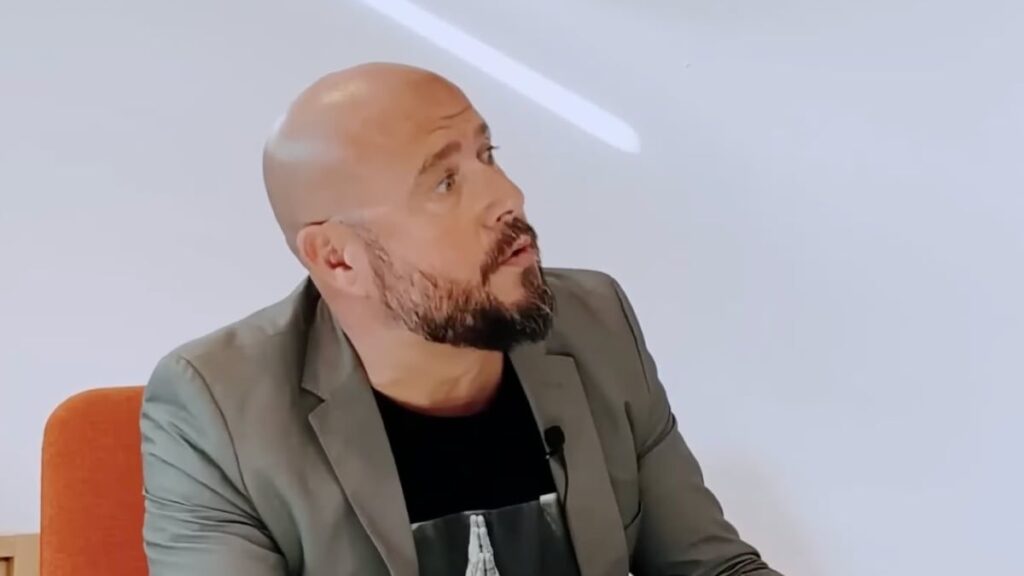
The YouTuber Adrián G. Martín interviewed the Mallorcan businessman Juan Carlos Medina, owner of a Galp gas station in Palma. In the conversation, Medina reveals the economic keys of the sector, the investment necessary to open a station and how it has had to reinvent your business with added services to make it viable.
You may be interested
Roberto, locksmith, does not cut when talking about deceptions in this type of business: “Open a door can cost up to 1,000 euros”

This is how Sepes, the new government portal to consult and request affordable rental housing
“To set up a gas station you need between 1.5 and 3 million euros, not counting the ground. And of each liter sold, the majority is taken by the State in taxes. We talk about margin cents,” he explains. According to its calculations, a station can bill between 4 and 6 million euros a year, but about 70% of the income is allocated to taxes.
“Of the insurance to mount their own service station”
Medina remembers that it did not start in this sector, but in the world of insurance and banking. With some friends he launched one of the first low cost gas stations in Palma 7-8 years ago, in full crisis. The project worked, but after selling its participation, it decided to bet on a new challenge under the GALP brand.
The road was not simple: “We were almost five years to lift this gas station for the obstacles and floods of Sant Llorenç, which affected us fully,” he says. The key, he says, was to have his own soil to resist while the works advanced.
Today, the station works with direct supply of CLH (Logistics Center for Hydrocarbons) and competes in a market where the fuel price changes every day. “This business seems simple, but it is very complicated. The margins are ridiculous and any error makes you lose money.”
Gasoline, bread, washed and paddle
Aware that selling fuel is not enough, Medina opted to turn her gas station into a multiservice center. In addition to the suppliers, he has installed a supermarket, washing area and up to eight paddle tracks next to the station.
“The bread bar is a lot, just like car washing. People want to do everything in the same place. I play the paddle and know what it drags, so I linked it to the business,” he explains. As estimated, approximately 30% of the billing comes from complementary services, which generate higher margins than fuel.
The strategy allows you to attract customers although it recognizes that setting up these extras is not optional, but necessary. “Before setting up a gas station was more profitable. Today, if you don’t offer anything else, you can’t compete.”
The challenges: bonuses, electric cars and the weight of the state
The interview also addresses how they affected measures such as the bonus of 20 cents to the fuel during the COVID. “We opened a Monday and on Thursday that measure has already entered. It forced us to discount without having enough box. Thanks to the agreement with Galp we could advance it, if it had not been impossible,” he recalls.
On electric cars, Medina is skeptical. Although their gas station has recharge points, he says that in a year and a half, just three clients have used them. “It is not business. The majority loads at home and cannot depend on waiting 45 minutes on the road. I think we are not yet prepared and it will not be the immediate future.”
What is clear is that the great beneficiary of the sector is the State: “Of each liter, almost 70% are taxes. We are the ones who won the least despite being the ones who risk.”
Medina’s experience shows that gas stations have ceased to be that apparently safe and profitable business to become a resistance sector, where success goes through diversifying services, resisting fiscal pressure and adapting to a constantly changing market.