The European Commission has presented a new package of measures energy with which it urges Member States to reduce taxes on electricity, launching new social tariffs and activating mechanisms that allow temporarily prohibiting supply cuts to vulnerable households.
The initiative, called AccelerateEUcomes in a context of a rebound in energy prices linked to the escalation of the conflict in the Middle East, which has already entailed an extra cost of around 24 billion euros for the Union in just 52 days, according to community data.
This plan adds emergency actions so that households pay less money on bills as well as proposals to transform the European energy system. In the short term, Brussels has recalled that a regulatory framework already allows governments to apply direct aid such as energy vouchers, tax reductions or incentives for the replacement of inefficient equipment.
It also highlights the possibility of preventing consumers with payment difficulties from being disconnected from the network, a measure that was already applied in the 2022 crisis.
“Energy cannot be an instrument of domination or war”
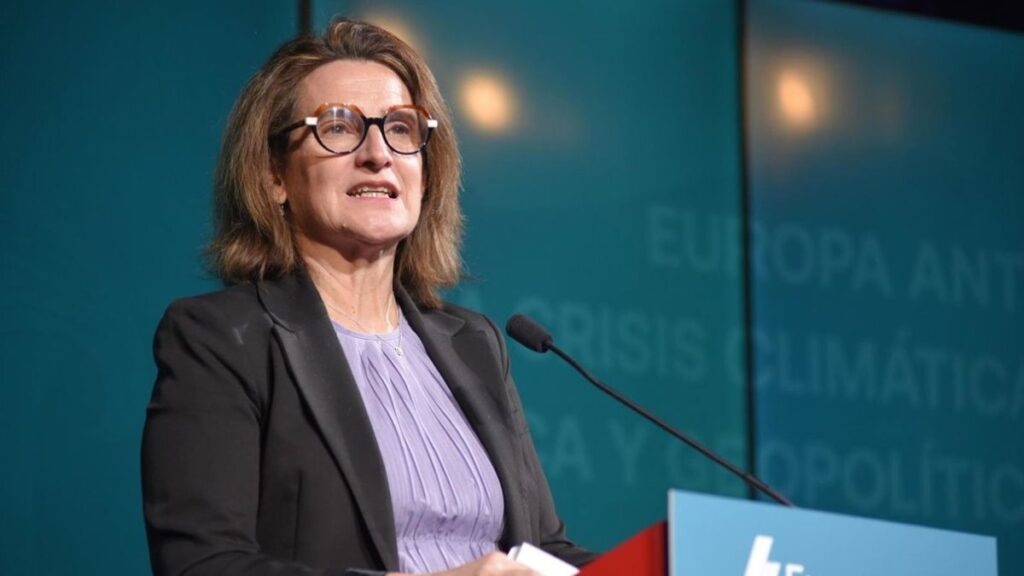
The vice president of the Commission for the Clean Transition, Teresa Ribera, has pointed out that “energy cannot be used as an instrument of domination and war,” defending that the objective is to accelerate the transition to clean sources.
The community government proposes a structural change in energy taxation. Brussels plans to present a proposal in May to adjust network charges and taxes so that electricity, especially that from renewable sources, has a lower tax burden than gas. The goal is to encourage the electrification of the economy, from homes to transportation and industry, and reduce dependence on imported fossil fuels.
The data speaks for itself, and more than 70% of electricity already comes from clean sources, and countries with a greater weight of renewables and nuclear tend to register lower prices. The Commission maintains that reinforcing this trend would cushion future price crises and improve industrial competitiveness.
Key measures to reduce energy consumption
The package also includes measures to reduce energy consumption, such as accelerating the installation of heat pumps, improving the insulation of buildings or promoting small solar installations. According to Brussels, these actions could cut the energy bills of some homes by up to 25%, although it does not detail the calendar or budgetary scope of these interventions.
In parallel, the Commission proposes a temporary framework for State aid that grants greater flexibility to governments to support the sectors most exposed to rising energy prices, particularly energy-intensive industries. This instrument seeks to avoid a loss of competitiveness compared to other economies in a context of current volatility.
New European fuels observatory
The plan studies one of the most sensitive points of European energy policy, which is the gas market. Brussels seeks to avoid a repeat of the purchasing race that skyrocketed prices in 2022, proposing to coordinate the filling of reserves for winter.
To this we must add the creation of a European fuel observatory that will allow monitoring production, imports and reserve levels, paying special attention to diesel and kerosene. The Commission warns that the high external dependence of some of these segments can generate a ‘bottleneck effect’ in them.
The initiative will be debated by the heads of state and government at the next informal European Council in Cyprus. Its path will depend, to a large extent, on the willingness of Member States to apply fiscal and spending measures in a context of limited budgetary margins.