Permanent disability is a contributory benefit that Social Security recognizes those workers who have suffered an accident or disease, which makes it impossible to return to work, either in their work partially or total or in any other. The amount of these benefits varies depending on the degree of disability and the regulatory basis of each work, although there are situations whereby this amount can be improved.
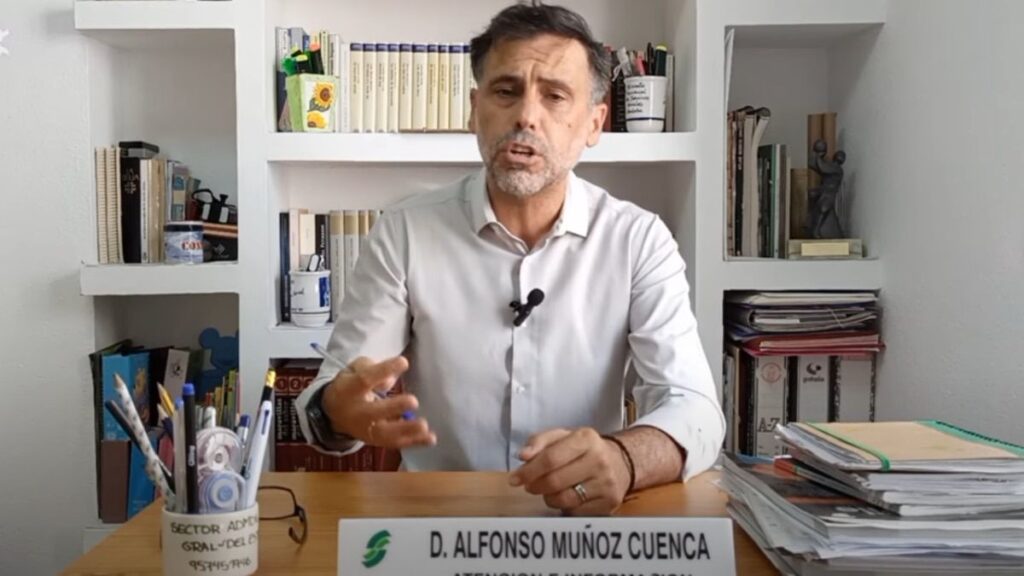
In this sense, the Social Security official Alfonso Muñoz Cuenca expert in pensions, wanted to give “four recommendations to those who charge a permanent disability, four recommendations that can possibly serve to improve the amount of his pension”.
You may be interested
Social Security denies permanent disability to a teacher with cancer and fibromyalgia because “work capacity does not decrease” and justice orders to grant the absolute

A 61 -year -old gardener achieves a permanent disability with a life pension of 1,355.18 euros despite the fact that social security denied it because their ailments were not serious enough
Before entering the subject, Alfonso explains the degrees of permanent disabilityso that we understand the differences between them:
- Partial permanent disability: “It causes the working person a decrease greater than 33% in their normal performance for said profession, but does not incapacitate him to perform the fundamental tasks.” Article 196.1 LGSS establishes that this modality is paid through compensation to so much raised, that is, it is a unique amount.
- Total permanent disability: “Disable the worker to perform all or at least the fundamental tasks of his profession, as long as he can devote himself to different ones.” Its amount is 55% of the regulatory base, as set by article 196.2 LGSS.
- Absolute permanent disability: “completely disable the working person for any profession or trade.” According to article 196.3 LGSS, it represents the collection of 100% of the regulatory base and, in addition, is exempt from IRPF.
- Great disability: It is recognized when “the affected person needs the assistance of another for the most essential acts of life, such as moving, dressing, showering or eating.” Article 196.4 LGSS provides that the pension increase with a complement to remunerate the caregiver, in addition to charging 100% of the regulatory base.
Four key tips to improve pension
After explaining the degrees and understanding it, this official begins to explain the advice. The first one is “if you are a pensioner of total permanent disability and have turned 55 years old and you are not working, you can request a 20% increase in your pension,” he explains, referring to what is called as as permanent qualified disability. This right is included in article 196.2 LGSS, for people with special jobs difficulties.
On the other hand, he says that “those permanent disability pensioners who over time have seen their work capacity or worsened their state of health may request a review of their aggravation incapacity.” Article 200 LGSS supports this possibility, allowing the pension to be increased (for example, from total to absolute) with the consequent economic improvement.
As the third advice, explains the complement to minimums in the pension. “All system’s contributory pensions must reach a minimum amount, which depends on the age and economic situation of the pensioner.” In this sense, article 59 LGSS recognizes the right to Minimum accessorieswhich ensure that no pension is below the amounts set annually in the General State Budgets.
Finally, Alfonso Muñoz recommends that “if you are a permanent disability pensioner and your retirement age has arrived, what I recommend is that you request it because your right to the possible retirement will be studied.” Article 198 LGSS establishes that, arriving this moment, if retirement is of greater amount, it is recognized; If not, the disability pension is maintained.
The General Law of Social Security requires minimum contribution periods in the cases of common disease (article 195), unless derived from accident or occupational disease, where prior contribution is required. As the official explains, the key is to know the rights already contemplated by the regulations. In Muñoz’s words, “maybe you may correspond to you or a review that supposes more money at the end of the month.”