One of the most common doubts among tenants is what happens when the rental contract reaches five years. Many tenants believe that, if they want to continue in the home, the landlord must justify his decision not to continue. However, the law and experts make clear that this is not always the case.
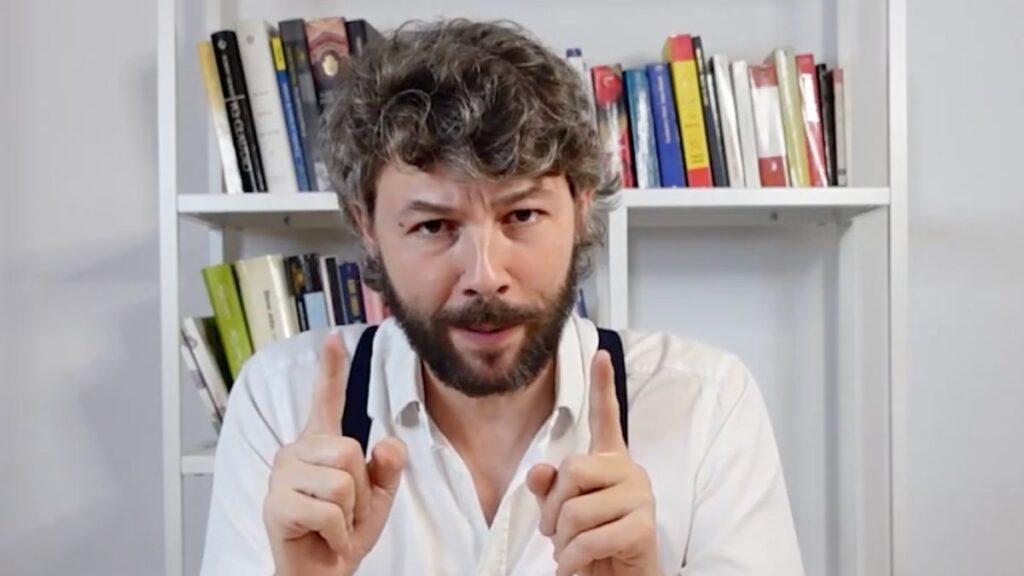
The expert rental lawyer Alberto Sánchez, through his social networks LegalMente, explains that if the owner has complied with the noticecan terminate the contract without needing to justify its decision. Specifically, it points out that “the owners do not have to give any excuse to end the rental contract after the fifth year, the only thing they have to do is notify within the deadline that they do not want to renew it.”
This implies that the tenant does not have the automatic right to continue in the home once that minimum period has ended.
Why there is not always an extension and when the contract can end
As stated in the Urban Leasing Law (LAU), contracts can be freely agreed upon, but if they are signed for less than five years (or seven if the landlord is a company), they are automatically extended until that minimum is reached.
That is, during those first five years, the tenant does have the right to remain in the home. But once that deadline is reached, the situation changes.
According to Sánchez, if the owner has given the legal notice, which is at least four months before the expiration, as established in article 10 of the LAU, he can decide not to renew the contract. They may even “not offer you the home again” and require the tenant to leave the property.
In that case, it is not an extension, but the end of the contract and, if both parties wish, a new one can be signed with new conditions.
New contract, new rent and legal exceptions
An important consequence is that, if a new contract is signed, the owner can set a new rent. As the lawyer indicates, “in this new contract the owner can establish the rent she wants,” and the tenant must decide whether to accept it or look for another home.
However, there are exceptions. In areas declared as a stressed residential market, the law limits the rental price, so the owner cannot freely set the rent.
In addition, the regulations contemplate some special situations in which the contract can be extended, such as cases of vulnerability of the tenant or when advance notice has not been given on time. If the owner does not communicate his intention not to renew, the contract can continue to be extended for up to three more years, as provided in the LAU.