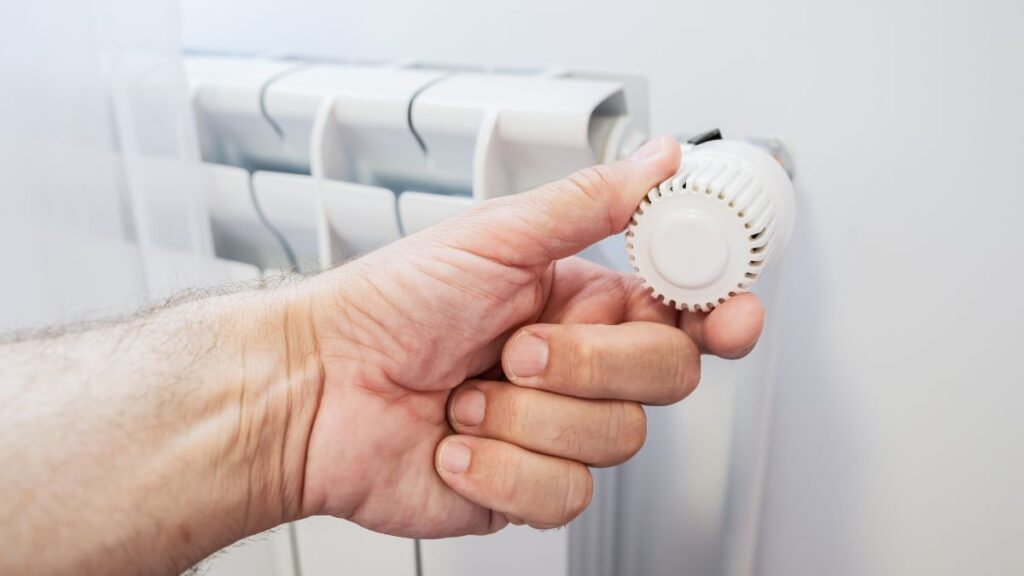
With the arrival of the cold, heating once again becomes one of the main expenses of many homes, especially seeing how the price of electricity or the butane cylinder is lately. And the price of energy changes every day and can make using some electric heating systems more or less expensive depending on the specific day in question and the hours in which they are used.
Therefore, when temperatures drop, any trick to try to reduce the bill becomes important. One of the most repeated is to leave the heating on throughout the day at a low temperature, under the idea that keeping warm requires less energy than turning it off and turning it on again later.
Well, experts in air conditioning and energy efficiency have made it clear that this idea does not work like this in most homes. While the heating remains on it has to continually compensate for the heat lost through walls, windows, doors and ceilings. Not to mention the heat that goes into empty rooms or those in which there is no one at those times.
Leaving the heating on all day is not the best way to save
The mistake is to think that, by having the thermostat low, consumption practically disappears. Although the system needs less energy at any given time, keeping it running for many hours ends up accumulating costs, even when no one is home or empty rooms are being heated.
This same idea had already been explained by industrial engineer Jorge Morales de Labra, specialized in energy consumption. This specialist described it as false “from an energy point of view” to claim that leaving the heating on constantly allows for savings.
The explanation is easy and is based on the fact that “any heating system consumes energy every time it is operating.” Morales de Labra even went so far as to point out that, even if a person only goes out for five minutes to buy bread, “it is economically worth it to turn off the heating.”
In this way, if a home remains empty for a good part of the day, it is more efficient to adjust the ignition to the real schedules of its occupants than to leave the boiler running continuously to find the house warm when they return.
Each extra degree can cause consumption to increase by around 7%
The temperature we choose also has a lot to do with the electricity bill that we receive at the end of the month. The Institute for Energy Diversification and Saving (IDAE) recommends leaving the home at a temperature of approximately 20 or 21 degrees when it is occupied and lowering it at night.
Plus, turning up the thermostat doesn’t make a room warmer any sooner. If a temperature of 25 degrees is dialed in, the system will simply continue to run longer until it is reached.
On the other hand, as clarified by the same organization, increasing a single degree can increase energy consumption by approximately 7%. At night, between 15 and 17 degrees may be sufficient and, in many homes, turning the heating off directly and turning it on again in the morning is more efficient.
It can also help to schedule the system to start working shortly before you return home. Of course, the time needed will depend on the insulation: a home with good windows will retain heat for longer than one with drafts or old enclosures.
The Government extends the tax that will allow the construction of 6,000 affordable homes and the application of tax credits to 120,000 tenants

Pepa Millán (31 years old), spokesperson for Vox: “We have gone from a Spain of property owners to a Spain of precarious people”
Finally, small gestures such as installing weather stripping, lowering the blinds at night, taking advantage of the sun during the day or purging radiators before the cold season can prevent unnecessary heat loss. In short, the key is not to leave the heating on permanently, but to use it only when it is really necessary and prevent heat from escaping from the home.