Although in Spain and other European countries early retirement implies pension penalties and requires long periods of contributions, many workers consider it a way to take care of their health, have more personal time and face the last professional stage with a higher quality of life.
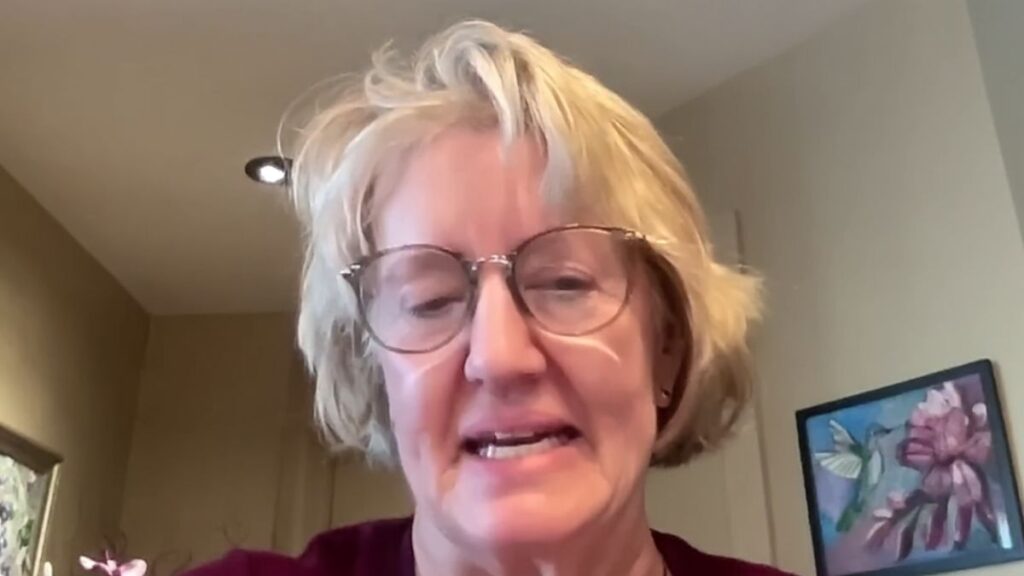
This is how Susie, a 62-year-old retiree, explains on content creator Ari Taublieb’s channel how her early retirement allowed her to distance herself from the world of work and rethink her priorities.
This change in perspective is better understood if we take into account the moment in which the decision was made. Susie retired early at age 58, while her husband, now 59, retired even earlier, at 55.
Both decided to stop working before the usual age, an unusual option that helps to better understand their story and reinforces their main idea that when the daily work routine is broken, the feeling of being essential and of living in a hurry quickly disappears.
When work goes on without you
“You probably feel very important at work, a critical asset, but believe me, you leave and they move on,” he says. With this idea, Susie questions one of the most widespread beliefs in the world of work, that of being essential. “They may need four people to replace you, but they will find a way,” he adds, making it clear that companies adapt quickly, even when someone key leaves.
Susie’s reflection is not only about work, but is also personal. Looking back, he recognizes that if he could start over, he would have taken better care of his health. “When you’re working, you almost never have time,” he explains.
Now, retired, she notices how that time gained translates into feeling better. He confirms this when he talks to people who are still active and they tell him: “You look very good for being 62.” So he thinks that the difference is that now he does have time.
Disconnection after retirement
The contrast is accentuated when he observes from the outside the world of work he left behind. By occasionally logging onto LinkedIn, Susie says she feels disconnected from the topics and conversations that previously occupied her daily life. That feeling was confirmed when he agreed to do a specific project for his old company.
“Since I had already retired and had turned off that switch, the passion was gone. It was fine that way. I didn’t care.”
Susie’s testimony is not intended to encourage everyone to retire early, but it does invite us to think about priorities. His experience brings to the table how much weight work has in people’s lives and the impact it can have on health and personal time.