The rental market has started 2026 breaking records. Living rented has never been so expensive. On average, a square meter is already paid for at 14.34 euros, according to the latest official data, but this figure hides a very different reality. When it comes to prices, Madrid leads the list with €21.81/m², followed by the Balearic Islands, with €18.67/m², and Catalonia with €16.42/m².
There are hardly any apartments and the few that come on the market fly away in a matter of minutes. As a result, the year-on-year increase of 14.7% has turned rental into a real race. Those who want to rent compete with dozens of candidates, and those who already do so are afraid of updating their contracts.
But it’s not just tenants who live in tension. In the midst of rising prices, and with laws that prioritize the protection of the vulnerable, many small owners say they feel helpless. And, with the squatters under the spotlight and the judicial slowness, a new fear has emerged: renting.
A country with 24,000 squatted homes for sale
Spain already exceeds 16,400 complaints of trespass or usurpation per year, according to data from the Ministry of the Interior. In percentage terms, it is barely 0.06% of the total housing stock, but its media and psychological impact is immense. Catalonia alone concentrates more than 40% of the cases, followed by Andalusia and the Valencian Community.
The situation has given rise to a new category on real estate portals: squatted apartments for sale. According to Idealista, there are more than 24,000 throughout Spain, 17% more than last year.
These ‘sales without possession’ are published with discounts of 40 to 60% compared to the market price. These are properties that banks no longer finance and that are only of interest to investors willing to undertake long and expensive judicial processes.
The result is simple. The owners, already exhausted, sell very cheap to regain peace of mind, while investors buy these ‘problems’ and wait for justice to do its job.
“I want to get rid of it for my mental health.”
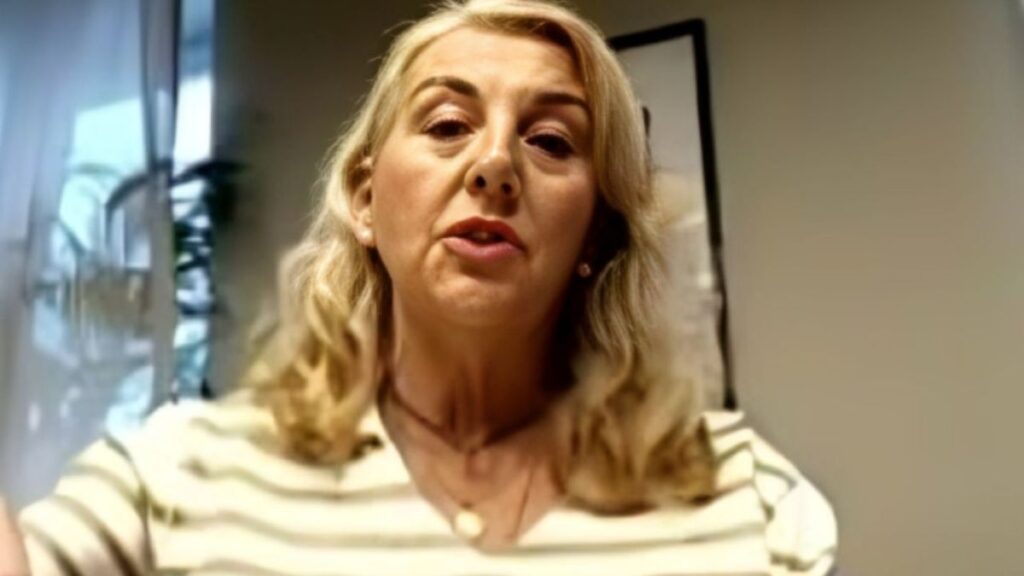
Esther is a Spanish owner who is a clear example of what is happening. He bought his apartment with effort, thinking about his retirement, and today he is selling it out of pure desperation. “It’s for mental health, it’s causing me a lot of physical and psychological wear and tear… I’m giving it away,” the woman confesses before the cameras. Public Mirror.
Her home is valued at around 300,000 euros, but she has decided to put it up for sale for only 60,000 euros. Not because there is no buyer, but because a family that has stopped paying rent continues to live inside.
“I called an eviction company and they did nothing. I hired a private detective for Lady Lorena de Torrent, she has a child and earns in B… she cleans houses and takes care of children. Presumably she is vulnerable, and that’s how she continues to live,” she explains before the cameras.
Esther assures that she does not belong to any fund or large holders: “We are lower-middle class people who, through a lot of effort, bought an apartment to have relief in our pension.” Now, he just seeks to regain peace of mind.
And he is not wrong. While the square meter skyrockets and empty apartments become dangerous businesses, owners feel that this rent is no longer a home, but a real burden.