In order to be a beneficiary of a permanent disability pension in Spain, it is mandatory to undergo an evaluation by a Medical Court, dependent on the National Social Security Institute (INSS). This body analyzes our state of health and determines to what extent our physical or psychological limitations affect our ability to work.
The court studies medical reports, clinical history and additional evidence with the aim of establishing whether the person can continue to carry out their usual profession or any other job, and based on this decides whether a permanent disability pension is due and to what degree.
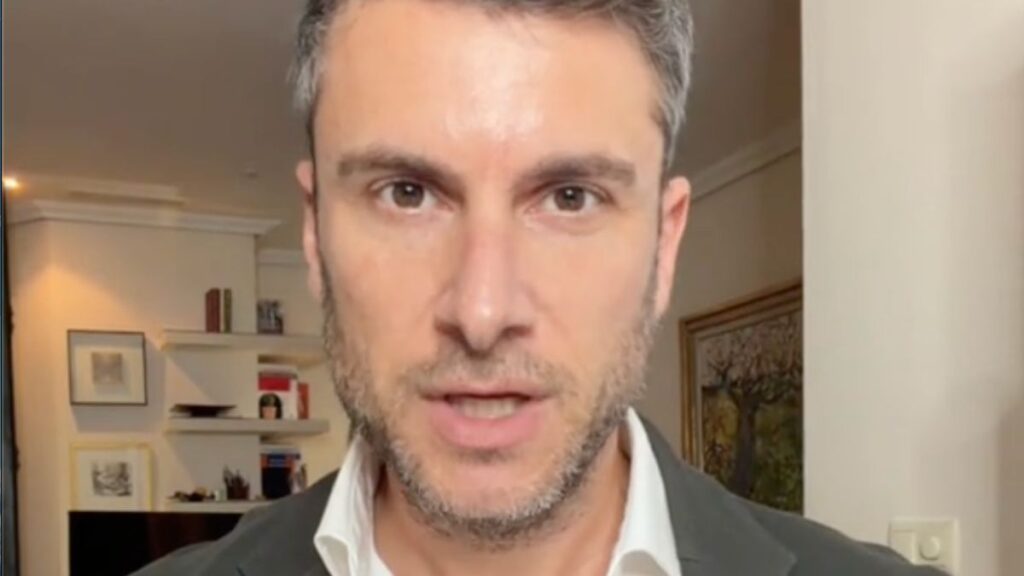
Being such an important step, many lawyers try to help applicants to go through this process as best as possible. One of them is the disability lawyer Pablo Ródenas, who in one of his latest videos wanted to warn about the professionogram, a document that he calls “fundamental” but that the majority is unaware of.
“You can have good medical reports and lose in the medical court for not having this document. The great unknown in permanent disabilities is called a professionogram and almost no one asks for it due to lack of knowledge,” he warns.
What is the professional chart and why is it useful?
As Ródenas explains, “it is a report prepared by the company where you work, which details exactly what you do, how much weight you lift, how long you stand and what physical or mental effort your position requires,” reporting that “it is literally a real x-ray of your work.”
Now why is it important? This lawyer explains that the Medical Court not only assesses your illness, but also whether you can practice your usual profession. “Here is the key to everything. Without a professional chart, your medical limitations are in the abstract. With a professional chart, they are directly compared to the real demands of your position,” he clarifies.
To understand it better, he gives the example of a warehouse worker with a lumbar injury: “If the document proves that he lifts 25 kg daily, the limitation fits. Without that information, however, everything is much more debatable.”
“Fundamental” for total permanent disability
This document does not influence the different degrees of permanent disability equally. Pablo Ródenas indicates that in the absolute degree “it is not always decisive”, but in the case of total incapacity for your usual profession “it is practically essential to request it from your human resources team.”
The reason is that, in the total degree, the key is to demonstrate that you cannot carry out your usual profession, your specific job. “The common mistake is that many workers go to court with perfect medical reports, but without proving the real demands of their job. And the INSS then says, ‘ok, well with that pathology you could then work in something else’. And without a professional the defense is weakened,” adds the lawyer.
Lastly, as he often reminds us through his videos, he warns that permanent disability “is not gained by diagnosis alone,” but rather by “connecting your injury with your real position.” In this sense, he concludes that “the professionogram is the bridge between the two.”