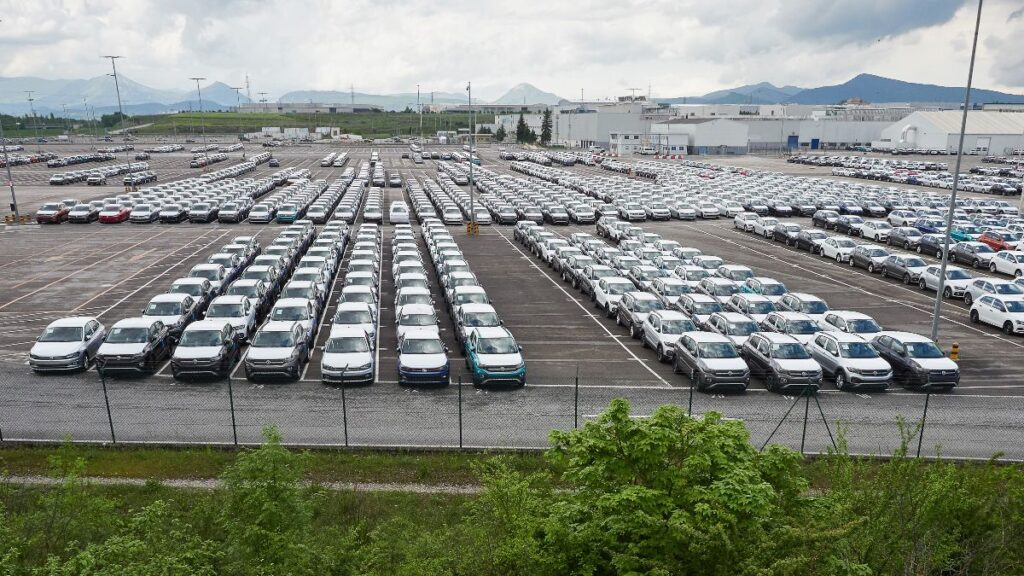
If you have a Volkswagen, Audi or Seat car, this is of interest to you, since your vehicle could be affected by a problem in the steering system. The Volkswagen automobile group has launched a massive review campaign affecting more than 2.8 million vehicles worldwide, due to a possible defect in a fixing screw that, under certain circumstances, could break.
This notice to fix the car was communicated by the German Federal Office of Motor Vehicles (KBA). Specifically, the problem affects 2,159,054 Volkswagen and 696,547 Audi vehicles, in addition to a series of specific Seat models, for which the exact number of cars involved is not known.
Although it is more of a precautionary warning than an emergency, the manufacturer has explained that corrosion can appear after many years of use, especially in areas with high humidity and where salt is used on the roads, implying that the problem, if left or not checked, can worsen and affect other essential components of the car. For the moment, however, the company has indicated that it has no evidence of accidents or personal injuries related to this defect.
What is the fault in the steering and why are these cars checked?
The problem, to be more exact, is found in a steering system fixing screw, a part that can deteriorate over time due to corrosion.
As explained by Volkswagen, prolonged exposure to certain environmental conditions can cause this component to rust and, in the worst case, end up breaking, compromising the operation of the vehicle’s steering.
To solve the defect, the owners of the affected units must go to an authorized workshop, where the screw will be replaced with another one that is more resistant to corrosion.
Volkswagen, Audi and Seat models affected by the failure
The campaign includes several models from the three brands, although not all vehicles in these ranges necessarily have the defect. Those affected correspond to certain units manufactured in the following periods:
- Volkswagen Tiguan, Touran, Golf, Golf Variant and Caddy: manufactured between September 24, 2013 and July 1, 2024.
- Audi Q3: manufactured between October 31, 2017 and May 23, 2024.
- Seat Ateca and Tarraco: manufactured between April 2016 and September 2024.
Therefore, if you have one of these cars, it is advisable to contact the brand’s official service to check by means of the chassis number if it is included in the inspection campaign.
What the DGT says you should do if your car is called for review
The General Directorate of Traffic (DGT) explains that when a manufacturer detects a manufacturing defect that may pose a safety risk, it is obliged to notify the Traffic and the owners of the affected vehicles. In this sense, it points out that “the notification will be sent to you by letter” and that drivers can consult the pending notices and “download the manufacturer’s warning letter with the detailed description of the defect and the method of action to resolve it.”
Congress gives the green light to new medical leave and improvements in widow’s and orphan’s pensions after validating the Social Security decree

Congress approves 7,240 million for the dependency in 2027 and reduces the period to recognize the benefits to three months
Furthermore, the DGT reminds that “calls for review that have already been corrected will not be shown, only pending calls are shown.” He also insists that it is important to keep contact information updated to correctly receive these notices. Therefore, if the vehicle is affected, it is advisable to follow the manufacturer’s instructions and go to the brand’s official service to solve the problem.