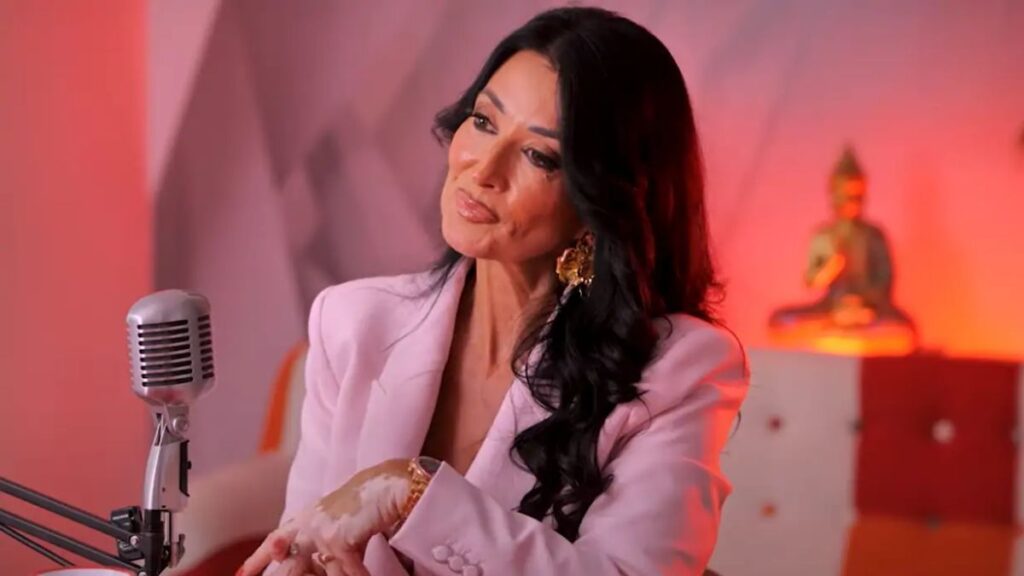
Donate assets to children In life it is a decision that many people consider to advance the distribution of their inheritance. However, doing it too soon can pose a risk, especially when there are still many years ahead, and that is why notary María Cristina Clemente does not recommend donating assets at age 70.
This was warned in a video published on her YouTube channel, where she explained why she does not recommend that people aged 60 or 70 part with their assets, even if their intention is to benefit their family members.
“I would never advise a 60 or 70-year-old person to donate their assets because we cannot know what they will need 10 years later,” he says. For this reason, it is considered preferable to make a will and keep the assets as long as they may be necessary.
The notary recommends keeping the assets to cover possible future expenses
Clemente explains that one of the main reasons for not advancing an inheritance is that no one knows what needs they will have in a few years. A person may be well now, but need assistance, special care, or have money to cover certain expenses in the future.
“Because maybe later there is something that requires hospitalization, special care, liquidity, and the children may not have that liquidity,” he warns.
Therefore, he insists that it is not necessary to rush. “Let’s wait, let’s make the will, but at that moment, I really think it has to be protected and it has to wait.”
Also, remember that, once goods are donated, they pass into the hands of the recipient and may be affected by their financial circumstances. For example, if a child has problems with his creditors, the assets that have been donated to him may end up being seized.
Hence, its recommendation is to preserve the heritage as financial support. “I absolutely advise against being deprived of assets that can become insurance for them,” he says.
Living donations can also have tax consequences
Another aspect that María Cristina Clemente highlights are the taxes that can be derived from a donation. And advancing the distribution of assets does not necessarily mean that the operation is free.
“I used to say that when a person dies there is no ‘gain from the dead’, but there is gain from the donor, and people forget that,” he points out.
The notary explains that, in addition to the donation tax and the possible municipal capital gain, the donor may have to pay personal income tax on the capital gain generated.
However, it mentions an exception for people over 65 years of age who donate their habitual residence, either in full ownership or reserving usufruct, an operation that, as it is recalled, does not generate taxation on that gain in personal income tax.
Body holds a meeting “without progress” with the train drivers who do not cancel the Renfe strike on November 10 and 11
The BOE publishes the aid of up to 144,242 euros that the families of the Urda victims can collect, changes in sick leave and improvements in orphan’s and widow’s pensions
For this reason, Clemente recommends studying both the tax and personal consequences before advancing the assets to your children. “You cannot control what will happen next with that asset; so keep it in your possession, keep it,” he concludes.