When a person dies and the time comes for distribute your inheritancethe most common thing is that heirs focus on the assets and money in bank accounts. However, there are certain expenses that must also be taken into account when distributing the inheritance, especially when one of the children has had to assume them out of their own pocket.
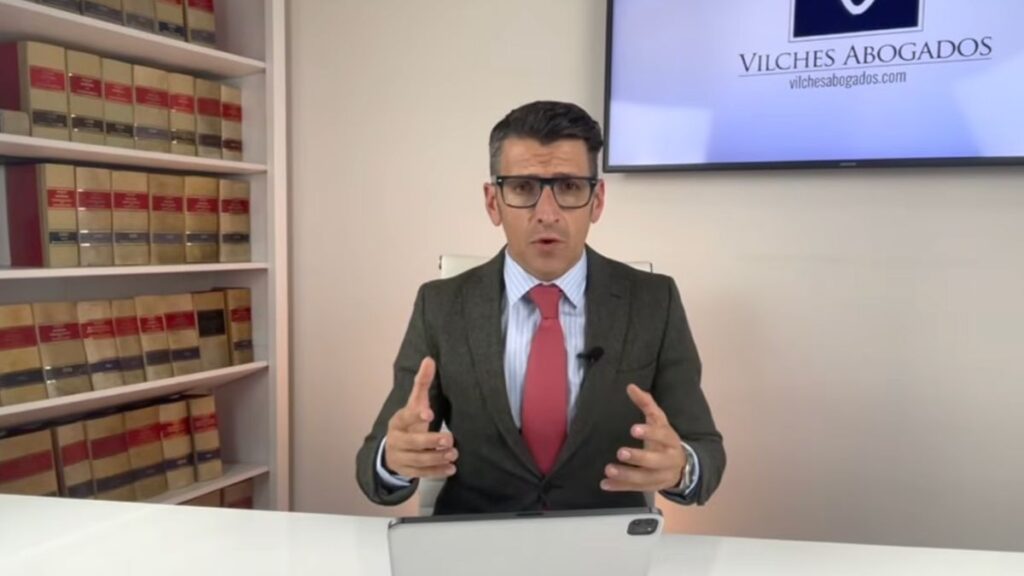
The inheritance expert lawyer Manuel Hernández, has explained in a video published through the Vilches Abogados YouTube channel what are the most common mistakes made when processing an inheritance. Among them, he points out one that may go unnoticed by many families and that is related to the expenses that can be deducted from the hereditary assets.
In this sense, the lawyer warns that “sometimes we forget to compute expenses within the inheritance”, referring to those disbursements that can be taken into account as part of the hereditary liabilities or in favor of one of the heirs who has assumed them, such as funeral expenses or last illness.
Expenses that can be deducted from an inheritance and that many heirs forget
The lawyer explains that there are expenses “that represent a liability to be deducted from the inheritance or to be added in favor of one of the heirs who has assumed it, such as burial expenses or last illness expenses.”
This can occur, for example, when one of the children pays for their father or mother’s funeral. In these cases, the money you have advanced can be taken into account when distributing the inheritance, as long as it is an expense that corresponds to the hereditary estate and is duly justified.
Furthermore, the article 14 of Law 29/1987 on Inheritance and Donation Tax establishes that the expenses of the last illness, burial and funeral can be deducted from the Inheritance Tax, as long as they are justified and comply with the legal requirements. In the case of funeral expenses, they must also be proportional to the hereditary assets and the uses and customs of the locality.
Therefore, it is important to keep the invoices and receipts for these payments, since they can be used both to take them into account in the distribution and to apply the corresponding tax deductions.
A father leaves his entire inheritance of 690,000 euros to one daughter, but only 290 euros to the other due to her “bad temper” and Justice ends up leaving the first with nothing

A grandmother leaves more than 204,000 euros to her grandchildren to pay for their studies, but her son refuses to give it to her due to a detail in the will: justice determines that her will must be respected
The other most frequent mistakes made when processing an inheritance
In addition to forgetting the expenses that can be deducted from the inheritance, Hernández points out seven other errors that can complicate the distribution of assets or cause conflicts between the heirs.
- Submitting the Inheritance Tax after the deadline: the lawyer remembers that the heirs have six months from the death to settle the tax and that the extension must be requested within the first five months.
- Performing acts that imply tacitly accepting the inheritance: disposing of certain assets of the deceased may mean that the inheritance has been accepted, even without having expressly done so. As the lawyer explains, “if we dispose of and administer the inheritance, it can be understood that we have accepted that inheritance.”
- Requesting acceptance too late for the benefit of inventory: this formula allows the personal assets of the heir to be protected against the debts of the deceased, but it must be processed within the legal deadlines, which vary depending on the circumstances.
- Do not request a life insurance certificate: this document allows you to know if the deceased had any current insurance that covered his or her death and of which family members could be beneficiaries.
- Delay the liquidation of the community property: waiting until both parents die to process inheritances can generate conflicts over which assets belonged to each and which were community assets.
- Do not review the banking transactions of the deceased: knowing the transactions prior to death can help detect possible donations or deliveries of money to other heirs that must be taken into account in the distribution.
- Do not go to court when there is no agreement: the lawyer recommends resorting to the judicial procedure for division of inheritance when family members cannot reach an agreement. In fact, he assures that “the best way to reach an agreement is in court,” since it allows the distribution to be channeled through a procedure established by law.