

Paying for a coffee with your mobile phone or splitting a dinner through Bizum has become a common practice among Spaniards. The expansion of the digital payment methodsaccelerated after the pandemic, has reduced the use of cash and has transformed the relationship between consumers and small businesses.
However, this change in habits has also opened a debate in sectors such as the hospitality industry, where numerous businesses question the economic impact of bank fees associated with the use of cards and dataphones.

A farmer refuses to sell his land and now harvests grain surrounded by buildings and roads
The price of electricity today, Thursday, May 14, in the PVPC rises again and two bands exceed 200 euros
Goodbye to paying by card
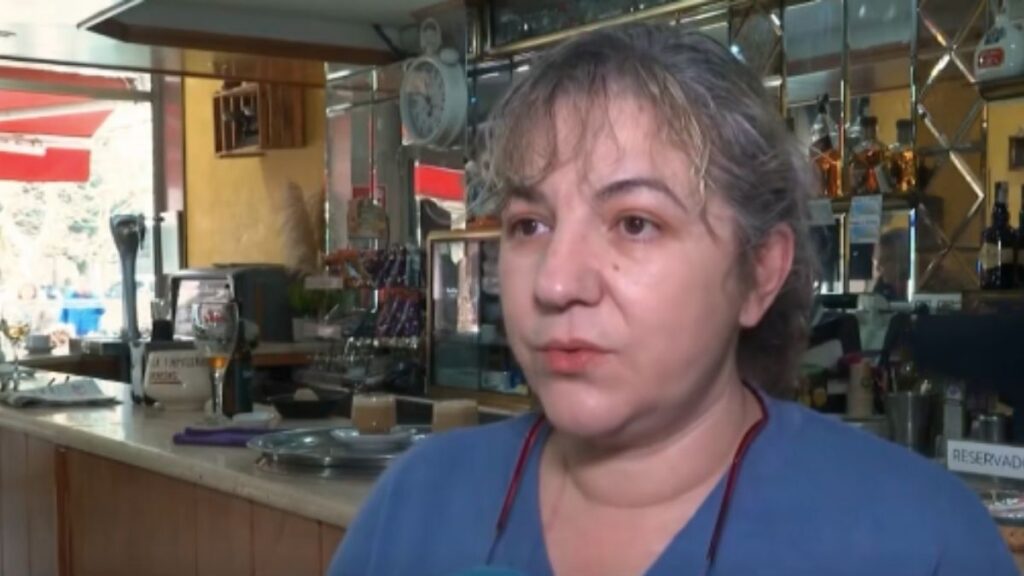
This is the case of Mar, owner of a bar in Galicia, who has decided to completely eliminate card payment and return to cash payment, because she maintains that the commissions applied by financial institutions end up reducing margins, which are already minimal on low-cost products, such as coffee.
“It doesn’t seem logical to me that of those 1.30 euros for coffee, we still have to continue paying commissions to the bank,” he says in statements to ‘Noticias Cuatro’, describing the reality of the sector.
Added to this are also VAT, taxes, energy supplies, rent and the cost of raw materials, as well as the expense derived from the use of the dataphone, whose commission may vary depending on the volume of business and the conditions agreed with each financial institution.
“After paying the Treasury, the invoices and all the costs associated with the business, I still have to transfer part of my profit to a financial entity for the simple fact of charging for my work,” denounces the hotelier, who considers that many small-value operations end up being “practically symbolic” from the point of view of profitability.
Spain pays more and more by card
Spain is also one of the European countries where the use of cash has decreased the most in recent years. Reports from the Bank of Spain and the European Central Bank reflect that between 2016 and 2022, only Cyprus registered a more intense drop in the use of physical money. Currently, more than two thirds of the population regularly use electronic means for their daily purchases and, for the first time, the volume paid by card exceeded that made in cash.
Despite this, Spanish legislation does not require bars and restaurants to accept card payments. The regulations only require establishments to report visibly when they do not accept this payment method. However, in practice, many hoteliers recognize that doing away with the dataphone can mean losing customers, especially in urban or tourist areas, where cash is increasingly less common.
The hospitality sector is among the most sensitive to the impact of commissions due to the high number of small-value operations it carries out daily. But in the case of Mar, the decision has not caused tensions with its regular clientele. “My clients accept it perfectly. And if someone comes and tells me: ‘I don’t have money,’ nothing happens, they’ll come back,” he concludes.