If you are one of those who breathe easy every time you look at the bank receipt, you will have to pay attention because the rules of the game have just changed. These days, millions of families in Spain are facing a reality that we have not seen for a long time: the Euribor has hit a historic blow.
In a single day, the indicator has registered its largest daily increase in almost two decades, reaching 3%. For those who have an average mortgage of 150,000 euros over 25 years, this translates into an increase of about 78 euros per year in their payment.
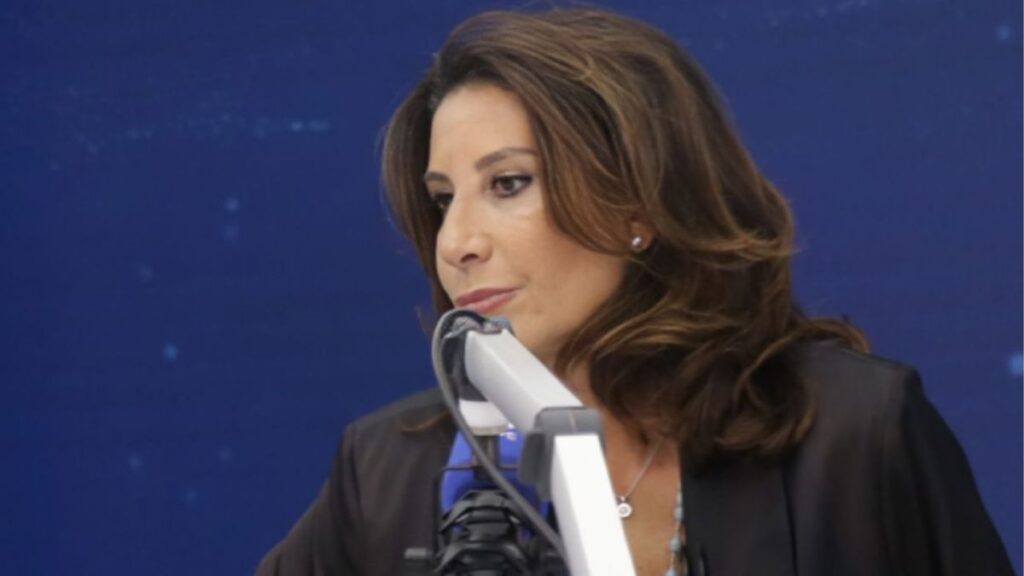
The situation is exceptional because, as the expert Pilar García de la Granja points out in ‘Herrera at COPE‘, “It’s the first time it’s happened in 2 years.” This change in trend is driven by the turbulent international scenario, marked by the war in Iran and the rise in energy and fertilizer prices.
Meanwhile, in Frankfurt, the president of the European Central Bank (ECB), Christine Lagarde, has already warned that she will not hesitate to raise interest rates in order to curb inflation and return it to 2%.
The ‘Lagarde effect’ in your pocket
As the journalist explains in her section ‘Pocket economy’the ECB’s intention is clear: “This time the war and its effects will not catch the European Central Bank by surprise, as happened in the war in Ukraine.” The problem is that raising rates means, in plain words, “draining money from the market.” As money becomes more expensive, the hit is not only felt by those with mortgages, but also by any family or company that needs to take out a loan to get ahead.
Although 70% of the new mortgages signed in January were at fixed rates seeking refuge, there are still 45% of brave (or clueless) people who have signed variable rates this year.
For them, García de la Granja advises that: “It is a good time to renegotiate if the rise in interest rates could greatly affect your domestic accounts.” In a context where the March average has already climbed to 2.479%, standing idly by can be very expensive.
More expensive houses, higher loans
The curious thing about 2026 is that, although fewer houses are purchased (operations have fallen by 5%), more mortgages are signed than ever: almost 41,000 in January alone, the highest figure in 15 years.
The explanation? That housing prices are through the roof, touching bubble-era highs, and “every time we need the bank to lend us more money to buy a house.” For this reason, the average interest of 2.87% offered by banks at a fixed rate has become the new “object of desire” for those fleeing uncertainty.
Faced with a market that is becoming more expensive by the day, the expert’s recommendation is to review the conditions with the bank before the monthly average continues to rise. As Pilar García de la Granja states, the panorama has taken a 180 degree turn: “It is very likely that mortgage costs will rise.”