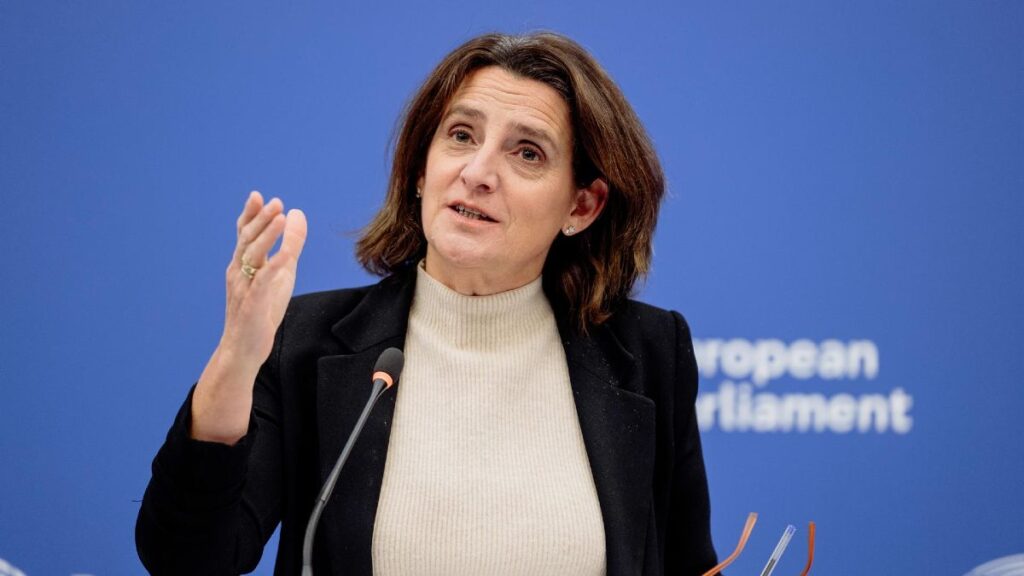
This Tuesday, the European Commission presented a package of measures aimed at lowering the cost of energy in the European Union, in the midst of the energy crisis worsened by the war in iran.
Among the most immediate initiatives, the EU has asked Member States to reduce taxes and charges on electricity to the minimum permitted by European law. A decision that, according to Brussels calculations, could reduce household electricity bills by around 14%, which would be about 200 euros in savings per year, according to ‘The Economist’.
Brussels’ plan to make energy cheaper in EU countries
The proposal, which is part of the so-called ‘Citizens Energy Package’, is a set of measures with which the Commission aims to contain the impact of high energy prices on homes and companies and, at the same time, accelerate the transformation of the European energy system. Likewise, Brussels recognizes that the cost of electricity and gas remains one of the main concerns for citizens and a factor that affects the competitiveness of the European economy.
The plan is supported by a large-scale investment strategy, as Europe will need to mobilize €691 billion in electricity networks and renewable energy and an additional €240 billion in nuclear energy to modernize its energy system and guarantee a stable and affordable supply in the coming years.
In fact, one of the central elements of the package is intervention on energy taxation. The EU recalls that taxes and surcharges represent approximately a quarter of the final price of electricity for households, leaving some room for governments to act without needing to modify the design of the European electricity market.
Therefore, Brussels recommends taking advantage of the flexibility of the European energy tax directive to reduce taxes and VAT applied to electricity to the minimum permitted levels.
Furthermore, the Community Executive proposes that Member States consider exemptions or zero rates for certain consumers, such as vulnerable families or economic sectors especially exposed to energy costs, with the aim of mitigating the social impact of rising energy prices.
Reform the costs of the electrical system
The package also addresses the costs associated with electrical networks. Tolls intended to finance the transportation and distribution of electricity can represent between a quarter and a third of the final price of the bill, which is why Brussels proposes reviewing their design to make them more efficient.
In addition, among the measures proposed, there are also incentives to promote flexible consumption, distributed generation and the development of energy communities that produce and use electricity close to the point of consumption, thus reducing the need for new infrastructure.
Promotion of self-consumption and the active role of consumers
Along the same lines, the Commission wants to reinforce the active role of citizens in the energy system, and therefore considers that self-consumption and energy communities can become a key piece of the transition. Thus, millions of European homes could produce their own renewable energy before 2030, which would save between 260 and 550 euros annually per home and between 440 and 930 euros for energy communities.
Another proposal aims to improve the functioning of the retail market. Brussels proposes new rules to increase the transparency of rates and facilitate the mobility of consumers between marketers. Among other measures, it proposes that citizens can change their electricity supplier within 24 hours.
Similarly, energy suppliers must periodically inform their customers about the cheapest rate available according to their consumption profile, an initiative that the Commission estimates could generate an additional average saving of 152 euros per year.
The package is part of a broader energy agenda of the European Union that includes initiatives such as the ‘Clean Industrial Deal’ or the European affordable energy plan. With this set of policies, Brussels aims to promote an energy model based on cheaper electricity, greater deployment of renewables and more active participation of citizens in the system.