

Add NewsWork in 
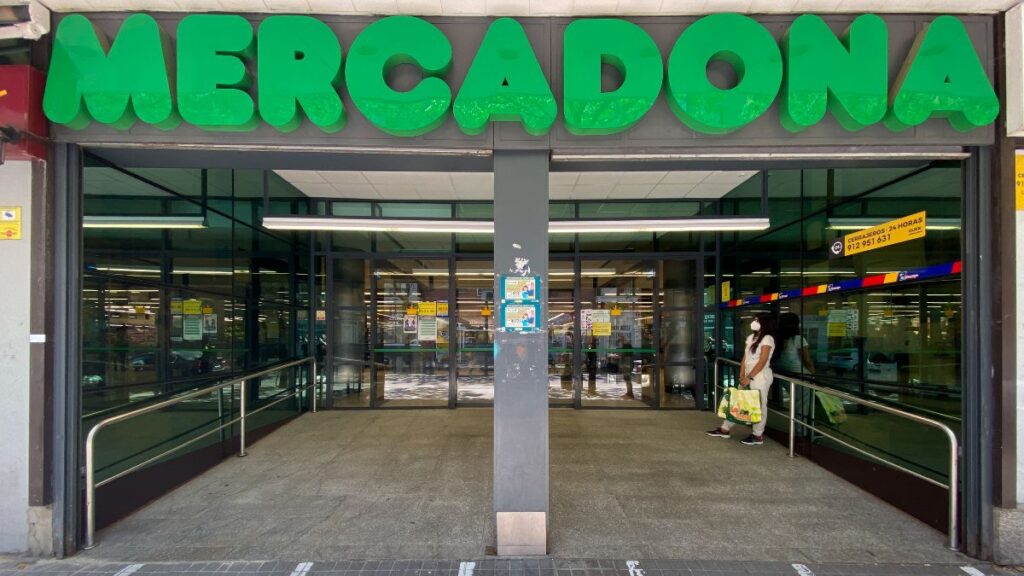
Mercadona has once again changed its supermarket model and eliminates the fish market to sell fish packaged in trays. It is not the only chain that does it and it can be found in this format in other places such as Aldi, Alcampo, DIA, Hipercor or Lidl. The difference is clear, buying on a tray you find the fish clean, filleted and packaged, which makes it easier to transport it.
But how does it affect the price? The debate is on the table and the OCU (Organization of Consumers and Users) has entered fully. Not only because the measure is generating criticism among clients who consider that they will now have to pay more, but also because of employment. Furthermore, fewer and fewer people buy fish in the supermarket and go to fishmongers or grocery stores.
He is fired from Mercadona for driving a motorcycle and carrying a large bag from the chain while on sick leave over his shoulder: it is inappropriate and they must reinstate him or pay him more than 22,000 euros
It’s official: Mercadona surprises with the opening of one of its largest supermarkets in Spain with 4,500 square meters
The OCU explains in its blog that when you buy small you pay more than when it comes to larger species. That’s where you notice the real difference.
Buying fish on a tray is 45% more expensive
In order to carry out a reliable analysis, the OCU analyzed two situations that usually occur in supermarkets like Mercadona. To begin with, he studied the case of sea bream and sea bass, which are usually bought whole at the fishmonger and sold as fillets on a tray. On the other hand, salmon and hake are larger and are sold in loins, slices or portions.
Buying the fish already ready to take away costs, and in the case of sea bream the increase is 27% while in sea bass the increase reaches 45%. And to explain it, he refers to the work involved in cleaning, removing the skin and thorns or packaging it, which is much greater than when serving it at the counter.
Salmon and hake barely present any differences
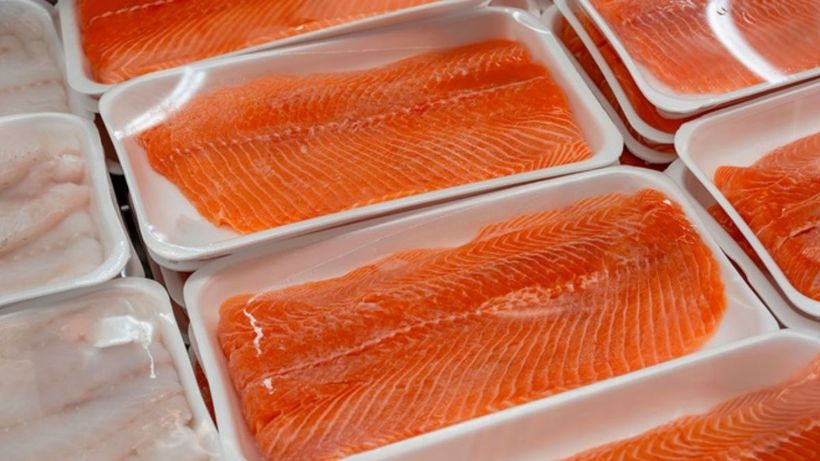
The study makes it clear that taking home packaged fish does not always mean having to pay more. In the case of salmon and hake, it may even be cheaper or show minor differences.
In these cases the comparison is more balanced because the starting point is very similar. This fish is sold in fillets, slices or pieces and for this reason, the OCU points out that the real savings are when you buy the whole pieces.
In these cases, analyzing the price per kilo can be misleading because when you buy the entire piece you have to take into account that when weighing it it includes the guts, spines, fins or head.
This is how you can save when buying fish
The OCU gives some advice for those who want to save by buying fish. All you have to do is go to the fishmonger or supermarket, buy the whole fish and ask (if possible) for them to prepare it.
This is usually done and is more advisable with small fish. If they are large it is better to compare, since the difference may be smaller. You have to carefully check the price per kilo, the net weight of the product or the type of cut and if there are also bones or skin on the tray, for example.