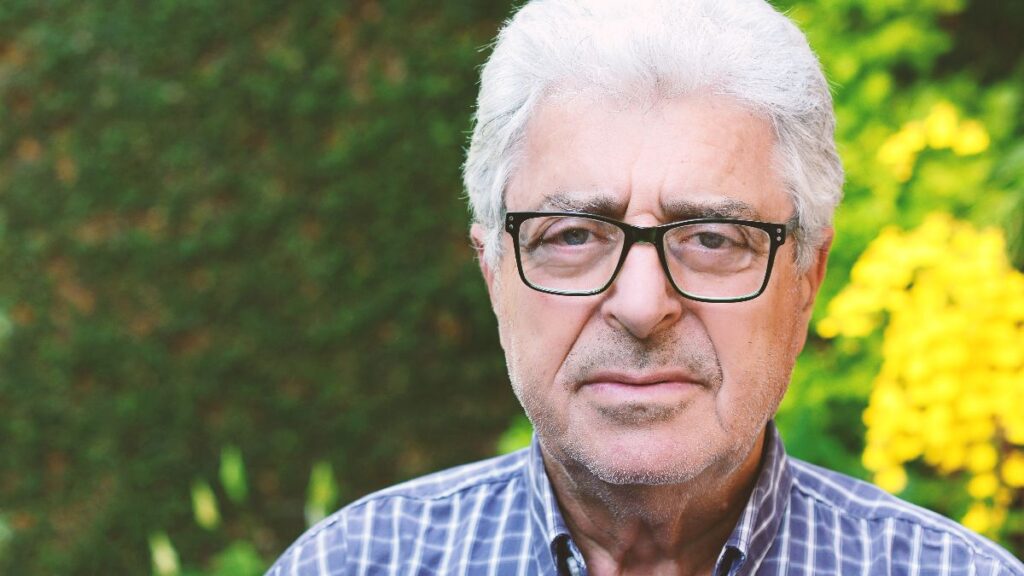
José Ortega is a Spanish retiree whom his company decided to fire at the age of 61, in the middle of the pandemic, after 44 years working there. After contributing 48 years in his working life, he retired at 62 and Social Security applied a 16.5% cut in his pension.
Your case is not unique, since according to Social Security statistics, more than 870,000 pensions in Spain are affected by the reducing coefficients for early retirement despite having more than 40 years of contributions. Of this total, some 400,000 are involuntary, that is, like that of José Ortega, which can be accessed after a collective or objective dismissal, a closure due to force majeure or a contest, among other causes.
José Ortega, with 16.5% less pension forever
In a letter to the director published by 65YMÁS on November 2, José says that, at 61 years old and in the midst of a pandemic, the company in which he had been working for 44 years “dispenses with my services, compensates me and sends me to unemployment”, a “situation in which I have never been.”
He spent a year and three months unemployed and then asked for retirement. “At 62 years and three months, after being unemployed for a year and three months, I decided to retire and they took 16.5% off my pension for life,” he says. “In total of my working life I have ‘only’ contributed for 48 years. If there is a right to this…”, he points out.
By advancing his ordinary age by 33 months over 65 years, Social Security applied a 16.5% cut, as specified in article 207 of the General Social Security Law.
Those who quoted “just enough” receive 100%
To collect 100% of the pension, it is necessary to have a minimum of 36 years and 6 months of contributions, as long as the retirement reaches the ordinary age, and from 2027 it will take 37 years, as indicated in the ninth transitional provision of the General Social Security Law. Therefore, when retiring with 40 years of contributions or more, many understand that those years of surplus should not fall on deaf ears and should be used to prevent these reducing coefficients from being applied.
This complaint coincides with that of other retirees such as José Oliver who said in another letter to 65ymás that he retired voluntarily at the age of 63 years and five months with 45 years of contributions, after starting to work “at the age of 14,” and that they applied an 8.4% cut, which sets the scale of voluntary early retirement for 19 months in advance. “What good is so many years of contributions if you are then measured the same (…) as someone who has contributed just enough and receives 100% pension?” he asks.
From January 2027, Social Security will remove 10% of the maximum pension, instead of 8.5%, from those who retire two years earlier with 40 years of contributions and exceed the limit
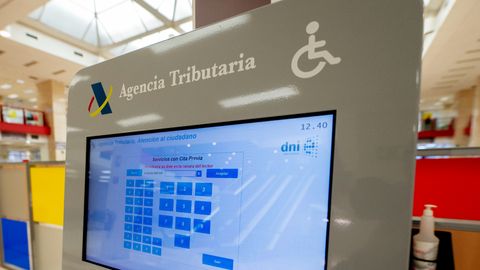
The Treasury can seize the retirement pension above 1,221 euros per month, but it will not be able to keep the money that the retiree saves from the protected part, even if it has been in the bank for months.
José complains about the same thing as the Asjubi40 association, which asks that the Government eliminate the reducing coefficients with more than 40 years of contributions. Although the bill of the Mixed Group ( Podemos ) that sought to eliminate these cuts, also for those who are already retired if they requested it, was taken into consideration in Congress on September 22, it expired with the dissolution of the Cortes, decreed on October 5, and Social Security leaves any changes to the Toledo Pact, without a date.