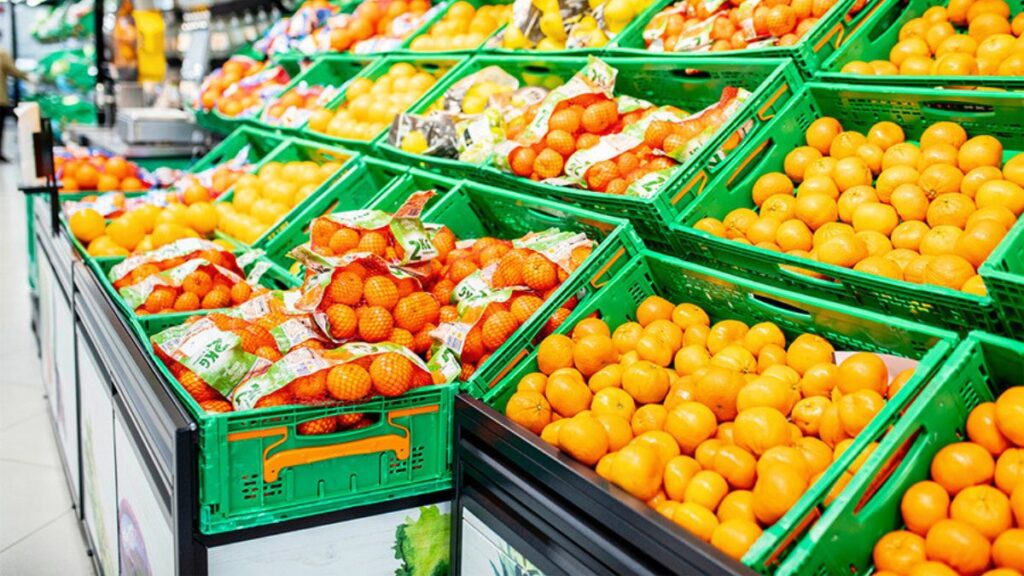


Winter, the cold and the return of citrus fruits to the shopping basket are a common combination in millions of Spanish homes. As soon as the temperatures drop, the orange once again takes center stage in fruit bowls and refrigerators, whether as a fresh piece, in juice or as an ally to reinforce the diet. But where exactly do the oranges that Mercadona sells this season come from?
Mercadona has confirmed that this year it will market 131,000 tons of oranges of exclusively Spanish origin, within a campaign that has already begun and is expected to extend until the month of August. According to the company, this commitment responds to its commitment to national production and the consumption of seasonal fruit.
You may be interested

Mercadona fires a worker who did not charge a colleague for some prawns and Justice confirms the dismissal as appropriate

It’s now official: Mercadona reveals the origin of the eggs it sells amid the threat of bird flu
The oranges come from fields in the Valencian Community, Andalusia, the Region of Murcia and Catalonia, thanks to the collaboration of 13 suppliers with whom Mercadona maintains stable and long-term relationships. These suppliers work, in turn, with more than 2,000 farmers throughout Spain. The company markets this fruit in its three usual formats: in bulk and in 3 and 5 kilo meshes.

Quality, origin and an expanded campaign thanks to 13 suppliers
Mercadona explains that the prolonged availability of national oranges until the end of summer is possible thanks to joint work with its suppliers, including Martinavarro, Bollo, Fontestad, Frutas Tono, Frutinter, Anecoop, Alcafruit, Lasarte, Agronostrum, AM Fresh Spain Citrus, Grupo Llusar Torres, Vicente Giner and Nufresco.
The entry of the orange continues the citrus campaign of Spanish origin that the company began in October with the arrival of mandarin and lemon. According to the company, this strategy encourages the consumption of seasonal fruit and is integrated into its “quality and origin” line, with which it seeks to prioritize national products “as long as they meet the required quality standards and there is sufficient availability to supply the stores. Currently, 85% of the supermarket’s total assortment is of Spanish origin.”
The chain also maintains its freshly squeezed orange juice service, available since 2016 in 250 milliliter, half-liter and one-liter formats, a project developed together with the specialist supplier Zumex and the customers themselves.

Labeling, responsible consumption and support for the primary sector
Regarding labeling, Mercadona remembers that Current regulations do not require indicating an expiration date on whole fruits and vegetables.although it does require showing the packaging date when they are marketed in packaging. On the other hand, products cut or mixed with other ingredients must include a best-before or expiration date.
The company also highlights its “commitment to the primary sector” and its adherence to the Code of Good Business Practices in Food Contracting, promoted by the Ministry of Agriculture, Fisheries and Food, as well as its collaboration in campaigns such as #alimentosdespaña and “The richest country in the world.”