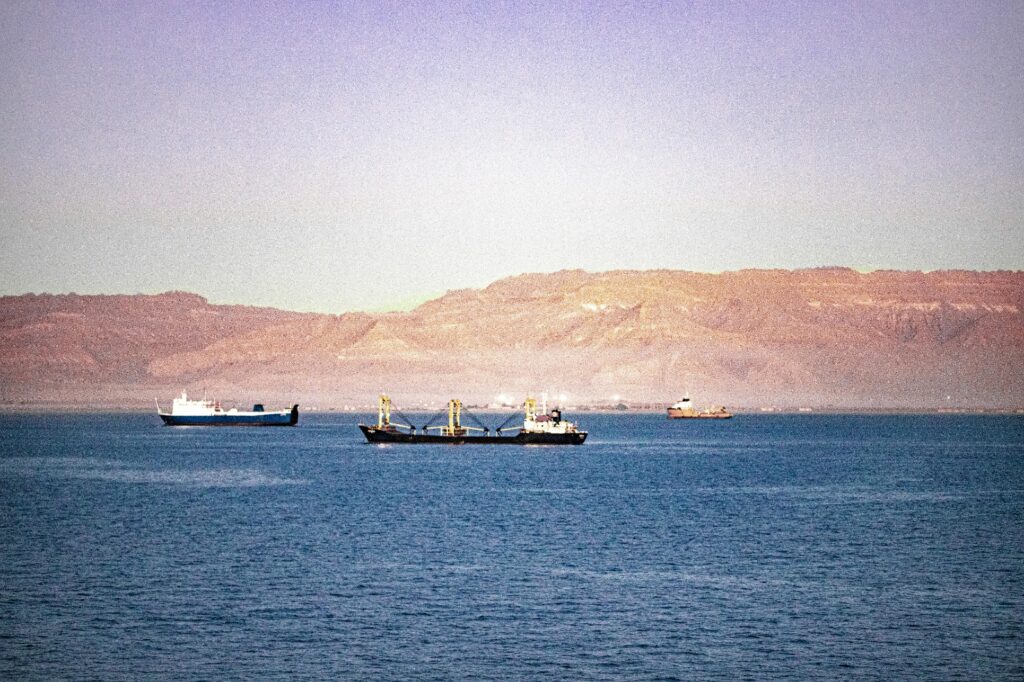
Do you remember Mr. Maduro? Barely a single quarter has passed, the speed of events has been brutal. Things change in just a few minutes, not even weeks. The intervention in Iran and the closure of the Strait of Hormuz has caused an earthquake whose magnitude we cannot yet measure, but which will modify the market scenario. The depth of this change will depend on the closure time and the actual destruction of energy infrastructure. We close the quarter where we already see a tightening of inflation in Europe and the market is afraid that the ECB wants to remember the disastrous “Trichet Moment” in 2008, where the ECB continued to raise rates, sticking to a radical economic orthodoxy while the world economy began a crisis that was very close to taking down the world economy. I absolutely do not want to compare the current situation to 2008, they are very different crises, the rise in inflation is accompanied by an economic slowdown and central banks could be forced to raise rates. We believe that, given that this inflation is caused by difficulties in the supply networks and not by excessive heating of consumption, they will wait a little to see the evolution of all the events in the coming months. It is worth highlighting in a positive way some statements by Mr. Powell (president of the Federal Reserve) who has stated that they consider the current situation to be a temporary and non-structural event, which has caused significant relief in the markets since it removes the possibility of the FED raising interest rates.
In the Trump administration there is a rush to end this war, an epic disaster is seen coming in the next mid-term elections in November, but it gives the impression that Iran is not in such a hurry and that Mr. Trump has gotten himself into a problem from which he does not know how to get out. It is not our objective to theorize about different geopolitical scenarios, neither the US nor Iran can prolong this conflict without serious economic consequences, so we believe that the resolution and opening of the Strait of Hormuz must be resolved in some way. We continue to maintain raw materials and gold in our portfolios, we believe that the scenarios resulting from this crisis can be so different that it is very risky to make a single bet on a single resulting scenario, which is why diversification and having all-terrain portfolios is key in the current situation. The big loser in this situation are long-term bonds, inflation and even the greatest increase in debt levels can make this type of asset suffer a lot.
Next…Cuba? …rich in Nickel and Cobalt…) Cuba has the third largest Cobalt reserve behind the Congo and Australia. (Source: US Geological Survey, Mineral Commodity Summaries, January 2024). Cobalt is a scarce raw material that is key in multiple industries (batteries, electric cars, semiconductors, aeronautics,
Chance? Common denominator of Greenland, Venezuela, Iran and Cuba? Hint: it’s not the weather.
Jordi Martret
Investment Director at Norz Patrimonia