The International Energy Agency (IEA) has decided to take action to prevent the oil market from leading to an economic crisis with unforeseeable consequences. This Wednesday, the member countries, including Spain, have agreed to release 400 million barrels of their strategic reserves. The measure aims to alleviate the price pressure and avoid the shortage that could be caused by the recent blockade of the Strait of Hormuz due to the war in the Middle East.
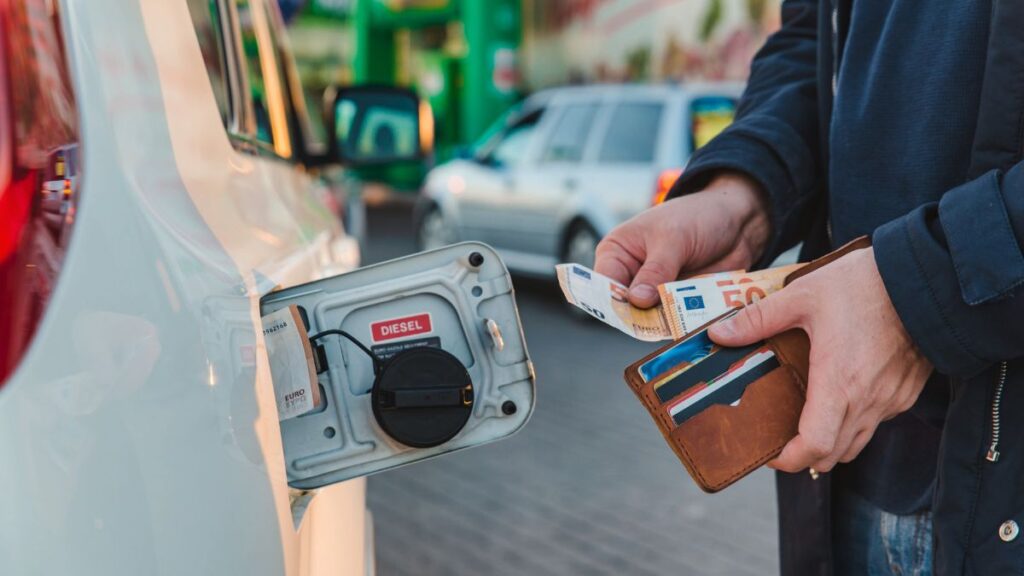
The announcement comes at a time of maximum tension. This Wednesday, a barrel of crude oil rose 4%, above $91. TTF natural gas, the benchmark in Europe, rose 3% to 49 euros per megawatt hour. However, where consumers have most noticed the price increase is at gas stations. The price of diesel has risen by 40 cents per liter since the start of hostilities.
The IEA estimates that this release would cover demand for 124 days, while Spain retains an autonomy of 92 days. But experts call for calm, since the relief in pockets will not be automatic or immediate. The intention of governments is not so much to force a collapse in prices, but rather to guarantee supply and prevent physical shortages from driving up the cost of refined products. This respite for the economy of drivers then faces a common phenomenon in the sector: the ‘rocket and pen’ effect.
Gasoline prices will experience the ‘rocket and pen’ effect
The ‘rocket and feather effect’ is a metaphor that describes a recurring reality in fuels, which means that fuel increases in price like a ‘rocket’ when oil rises, but its decrease when crude oil becomes cheaper is slow, almost imperceptible, like a ‘feather’ that hovers before hitting the ground.
Added to this inertia is the obstacle that the gasoline and diesel we refuel today was purchased and refined weeks ago, specifically in the month of January. Therefore, although the release of reserves calms international markets right now, it will still take some time for the driver to notice the reduction at the pump, especially if tension persists in the Middle East or problems in global oil supply continue.