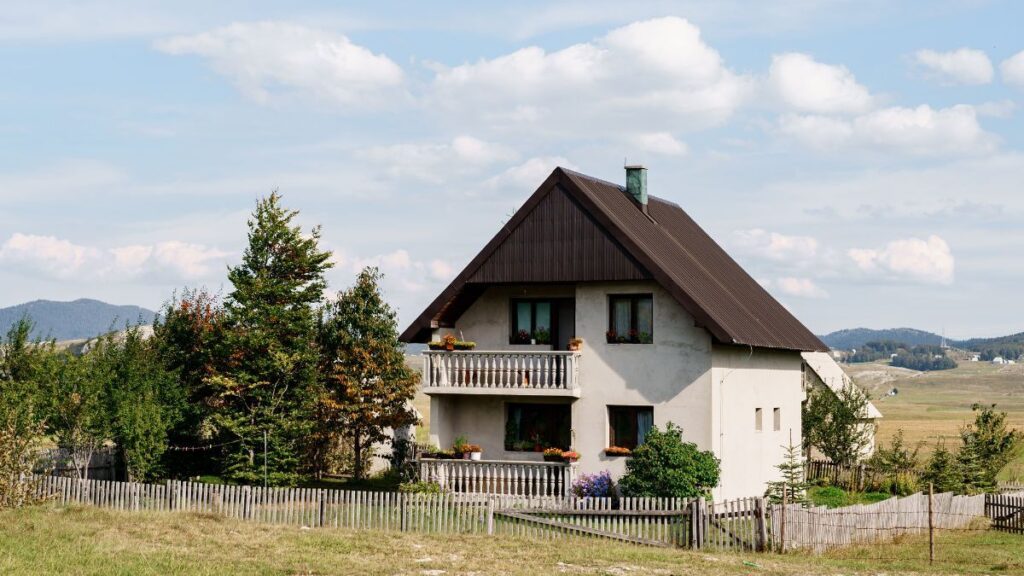
Buying a house is a decision that requires not only finding the ideal home, but rather review a lot of documentation, such as deeds, licenses and the urban situation of the property. Doing the operation without reviewing these documents can mean many future headaches and this is what happened to a French woman who thought she had bought a house with land and a pond and ended up discovering that, in reality, it was an old agricultural shed rebuilt without a building permit.
The woman acquired the property in September 2019 for 136,000 euros. Everything seemed in order until, in February 2021, he requested permission from the city council to expand the house with an additional room of 30 square meters. The permit was granted on March 15, but just two weeks later it was revoked. The reason, as reported from Figaro Real Estate, is that the house on which he intended to expand “involved a construction carried out without a building permit.”
At that moment he discovered that the house he had bought years before was not what he thought. The reality is that it was a ruined agricultural shelter that the previous owner had demolished and rebuilt without authorization. Furthermore, he feared that, in the event of an accident, it could not be legally rebuilt because it was out of order.
She requested the annulment of the sale considering that she had been deceived
The woman decided request the annulment of the sale considering that it had been deceived. His lawyer, Amandine Labro, defended that “my client was the victim of a flawed consent, an error regarding the characteristics of the property.”
The opposing party maintained that the buyer had had access to the urban planning documentation and that the deed included a clause according to which she acquired the property “as is.” They also argued that the home was registered, inhabited and subject to payment of taxes.
However, the woman’s defense insisted that the payment of taxes or the cadastral registration did not prove the legality of the building. In fact, old deeds mentioned the agricultural or forestry nature of the land, and the existence of a consolidated home did not appear. According to the lawyer, the property was not zoned for residential use, which made it “an asset that was impossible to resell.”
Furthermore, it was noted that the property had previously been acquired through the Safer (Société d’aménagement foncier et d’établissement rural), which already indicated its agricultural nature. The lawyer also reproached the notary for not having adequately reviewed the previous deeds, calling it “serious negligence.”
The court agreed with the woman and declared the sale void, ordering the seller to return the 136,000 euros paid. The notary was also declared responsible and must reimburse the notary fees, taxes paid and 5,000 euros for moral damages, also assuming 50% of the corresponding compensation.