

The debate on fiscal pressure and the level of taxes in Spain once again takes center stage in the gatherings. Citizens’ perception of the cost and return of taxes have become a common focus of political and social controversyespecially in a context of growing demand for public services and concern for the sustainability of the welfare state.
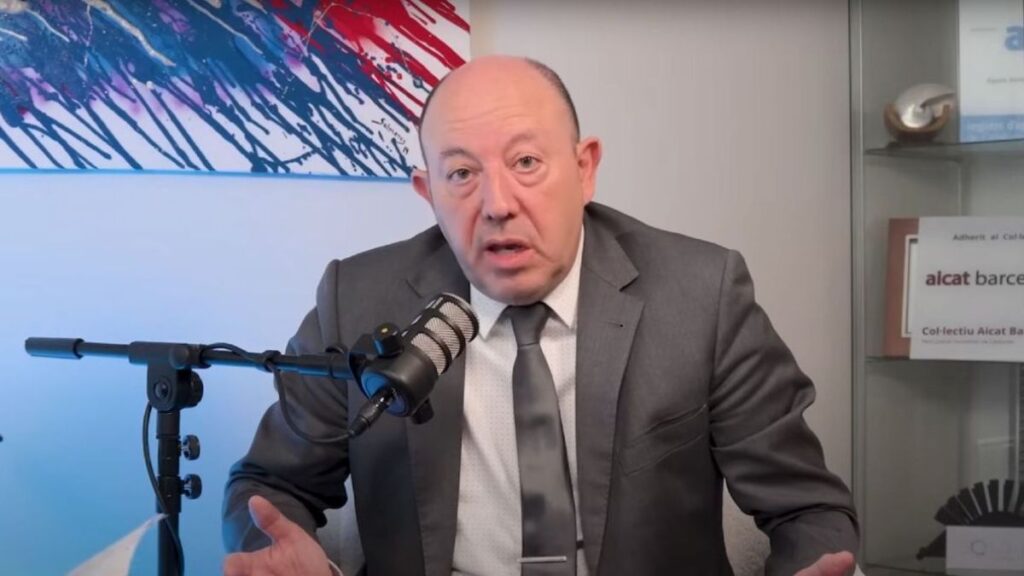
In this sense, the economist, Gonzalo Bernardos, intervened last Saturday in the ‘LaSexta Xplica’ program to question the idea, spread from some sectors, that Spain is a “fiscal hell”, rejecting the idea that In Spain too many taxes are paid and providing comparative data to support your position.
You may be interested

Gonzalo Bernardos, economist: “We young people of the 80s and 90s did not know restaurants or vacations, we only had the town and the family”

Gonzalo Bernardos, economist, sends a message to those who want to sell gold: “a pretty jewel is not the same as an ugly one”
More taxes, but more benefits
“Spain is not a fiscal hell. The entire euro zone pays 40.6% of GDP in terms of fiscal pressure. In Spain it is 37%,” said the economist. Furthermore, he stressed that, of all the countries in southern Europe, except Malta, and in Western Europe, except Ireland, “Spain is the country in which the least taxes are paid.”
He also recalled that “with Pedro Sánchez, 35% of GDP was paid in 2018, while now it is 37%, but benefits have increased much more”, in reference to the increase in public services and aid financed through taxes. However, despite this increase, Bernardos insisted that Spain continues to be below the European average in fiscal pressure. “Taxes have gone up, but benefits have gone up much more”, he highlighted.
Criticizes that young people complain about paying taxes
The economist also cited a report from the Foundation for Applied Economic Studies (Fedea) to highlight the redistributive nature of the Spanish tax system. “80% of citizens win by paying taxes, because they receive more benefits than they pay,” said Bernardos, inviting young people who are critical of the tax burden to reflect on the role of public services received throughout their lives, stating that “they owe a lot of money to the administration and the rest of the citizens, not the other way around.”
In his speech, Bernardos also defended the social function of taxes, which make a “fairer” society and pointed to a problem of perception. “When you take the money out of your pocket it hurts a lot, but when you receive something that you think is free, but it is paid for with taxes, you do not give it the value it has,” he warned. “And that is the real problem of Spain and of all those who believe that they pay too much taxes, on the contrary, they win,” he concluded.