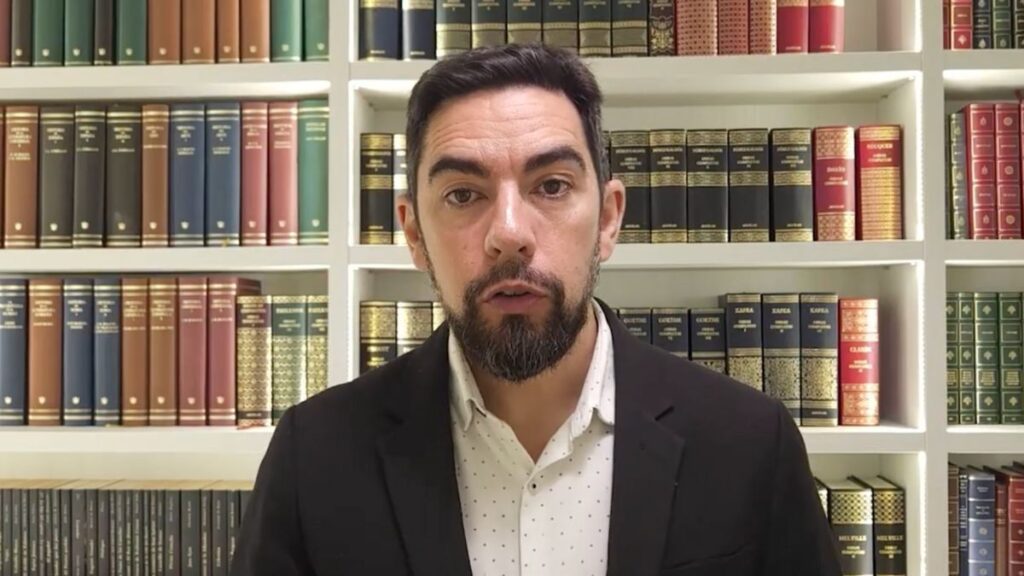
At the time of make a willmany people opt for the simplest formula, distributing everything “equally” among their children. However, what seems like the fairest and most practical option may not be the most tax efficient. This is what the inheritance lawyer David Jiménez warns, who warns that there is a type of will that, in his words, is the one that “the Treasury likes the most.”
In one of his videos published on social networks, the lawyer issues a clear warning: “Did you know that there is a will that the Treasury likes the most? The one that pays the most taxes.” As explained, this type of will can cause the heirs to receive less assets than expected due to the tax burden they must assume.
Jiménez directly points to the so-called non-personalized will as the main person responsible for this fiscal extra cost. As he explains, it is “a generic will, a non-personalized will” that does not take into account the individual circumstances of each heir.
Distributing everything equally can mean paying more taxes
The lawyer makes his warning even more specific. “And what do I mean by a non-personalized will? It means making the typical will for everyone in equal parts, without thinking about whether each of the children is going to pay more or less taxes depending on their previous situation.”
And not all heirs are taxed the same. Factors such as previous assets, the autonomous community of residence or possible bonuses can make one pay more taxes than another for receiving exactly the same thing.
The result, according to the expert, is that “it can cause most of your heirs to end up receiving less assets than you have left them, because they have to pay more taxes to acquire that assets.”
Therefore, he insists on the importance of planning before signing. For Jiménez, it is not just about deciding who inherits, but also about analyzing how to do it to optimize the tax burden within the legal margins.