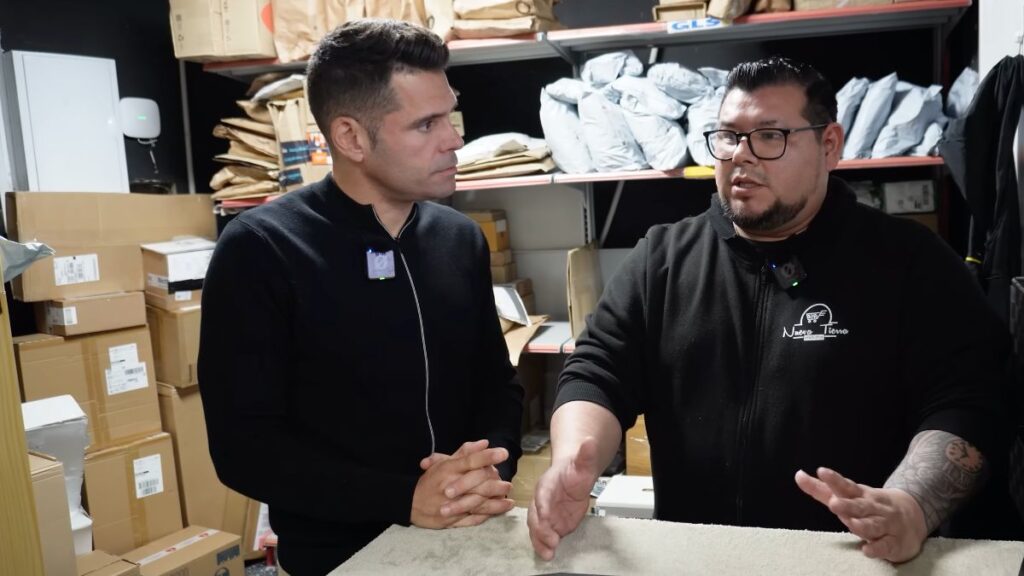
Electronic commerce in Spain has not stopped growing. However, behind each click, There is a small merchant who tries to survive the shipments that arrive. Antonio, owner of a neighborhood supermarket, is one of the thousands of anonymous heroes who have turned their premises into a collection point.
“You are talking about moving around 200 or 300 packages a day, but the standard monthly billing is about 300 or 350 euros,” he confesses to Adrián G.Martin. For him, this business is a constant struggle to earn just a few cents.
The rise of the ‘dot pack’
Spain will close 2026 exceeding 1,350 million packages annually, a figure driven by the structural habit of buying online. According to data from the CNMC, the logistics network already manages an average of 3.7 million daily shipments, rising to 5.2 million in times like the Black Friday.
Given the increase in home delivery rates, which have risen up to 9% this year, collection points have become essential: 36% of Spaniards already prefer to collect their order at the corner store.
This phenomenon has transformed neighborhood stores into authentic post office branches. With more than 25,000 convenience points nationwide, networks like InPost lead the market with more than 9,500 locations. But what does the shopkeeper gain? The reality is that the average margin is just 13 cents per package. As Antonio says, “here it’s not about delivering packages, it’s about surviving on pennies and converting traffic into sales before the chaos eats you up.”
Much ado about nothing
Logistics seems like the perfect business until the boxes invade the aisles. Antonio has had to form a team and limit hours so that the service does not undermine his main activity. “The impact was so great that we had to react with the issue of the schedule… we were a little affected by the issue of what the product is,” he explains. Despite receiving 100 people a day thanks to the packages, the return is minimal: “Only 10%” of those visitors end up buying something at the supermarket.
Parcel delivery represents only 5% of its total sales, a “very low” figure for the volume of work it generates. Furthermore, the risk is high.
Brian, in charge of the reception, remembers that if a package is lost and it is the fault of the establishment, the money comes out of his pocket: “We had a small incident of a higher cost and we did have to pay for it out of our own pocket.” With such tight margins, a single mistake can erase the profitability of several months of work.
Is it worth the effort?
So why continue? The short answer is traffic. In physical commerce where a person walks through the door, it is an opportunity that no marketing campaign guarantees. Antonio recognizes that for a business that is starting out it can be a good idea to “become known and attract customers”, but he is clear that it is not a means of living in itself: “Generally living on parcel delivery does not give you enough to live on.”
At the end of the day, Antonio’s supermarket is still full of boxes and neighbors looking for their order. It is the B side of the comfort of the e-commerce: a business of extreme volume and tiny margins where the real profit is not in the label of the package, but in the trust of the neighborhood. If he went back, Antonio is blunt: “No, not really” he would put it back together.