Although the Spanish health system is not going through its best moment, with increasingly exhausted professionals and high patient ratios, Spain still has one of the best health coverage in the world. A contrast that many citizens do not fully appreciate until they go to live abroad, where they discover that universal access, medical care and quality care are not always guaranteed.
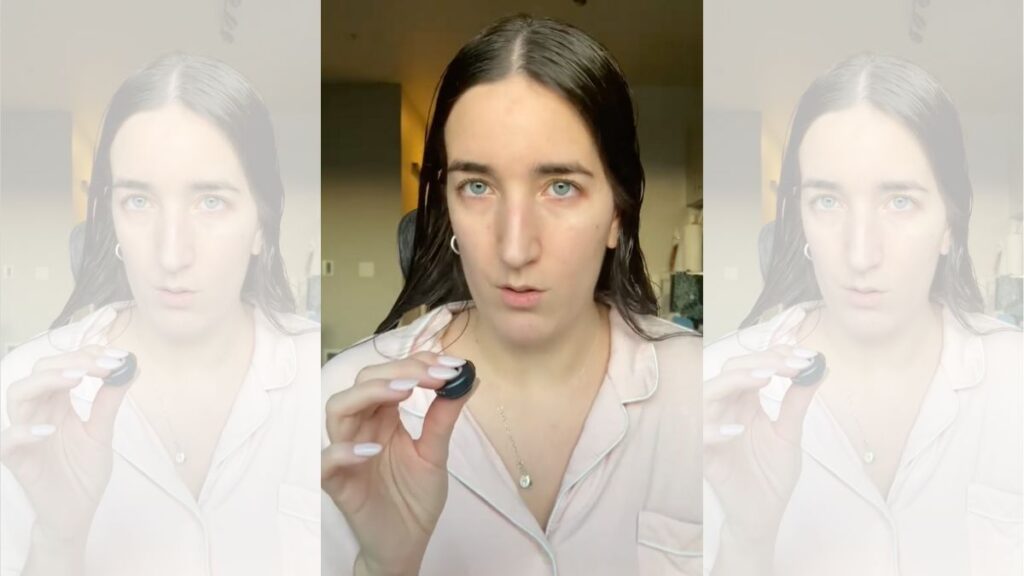
The personal experience of Aurora Guijarro, a Spaniard who lives in the United States, demonstrates this perfectly. “Today I went to the doctor in the United States after a year of postponing it. And healthcare here makes no bones about it,” he explained on his personal TikTok account (@auroraguijarro). First, he explained that the first thing they told him as soon as he arrived at the doctor was that he owed $400 from his visit the previous year. “I hadn’t received an email, a letter, or anything. I had no idea. I can’t go today and I don’t find out,” he detailed.
That said, he adds that whenever you go for a consultation, you have to pay between 15 and 30 dollars as a co-payment. He then goes on to relate his latest experience: “My appointment literally lasted 5 minutes, and they checked to see if everything was fine. They didn’t do any blood tests, nothing, that is, they didn’t do any tests on me to have to take samples to the lab. Well, that appointment is going to be $200, which my insurance will take care of. I’m crossing my fingers because after today I’m not so clear.”
Insurance problems
This young woman claims that she had to fight all day on the phone with her insurance and the clinic over the pending payment of $400. “It turns out that last year, when I went to this clinic for the first time, they prescribed me a medication. And I agreed with those at the clinic that the medication was delivered there and I went to the clinic every month to get the medication. What happened? That it was also arriving at the pharmacy next to my house.”
Aurora says that she began to worry because, every day, she received two or three messages from the pharmacy asking her to go pick up the medication. When he went there, he realized that the medication at the pharmacy was a different brand than the one he was taking at the clinic. Therefore, he went to her so that they could solve it. It was then that they informed him that he had $200 that his insurance had not covered, but they did not know why.
In this situation, he contacted the insurance, thinking that they would take care of it. “I didn’t hear from the insurance again. So I figured it was taken care of and I moved on with my life.” However, since he had taken that medication in two places, “without knowing what was going to happen,” it turns out that he had to pay for the extra medication he had taken. “I come to know that I have to pay for the other medication that I didn’t even use, it’s just that I don’t take it,” he says.
The worst of all, he adds, is that, after two hours of talking on the phone, his insurance company completely ignored it: “They are not interested in contributing a single cent and in the end the clinic is going to take care of those 400 dollars that were pending.” Aurora explains that if they had explained “things well” to her, this would never have happened. Nor does he understand why, if a person has a pending payment, they are not informed of it, spending an entire year.
“Both the hospital and the health insurance are going to make the entire process a suffering so that in the end you give up and pay what you have to pay. And this is one of the reasons why I don’t want to live long-term in this country, because I live all the time with the anguish of ‘what if something happens to me and I have to go to the doctor.'”
In fact, it indicates that, if this need arises, you already know that you have to look at it first with the insurance and make sure what it covers. “And well, if you have an emergency and you have to take the ambulance, turn it off and let’s go,” he concludes.