Housing has become one of the biggest economic and social problems in Spain. You just have to look at all the mobilizations that have occurred recently over this issue, especially after the eviction of Maricarmen, and which ended in a general strike and even in the President of the Government calling early elections. Buying a house is increasingly complicated for many young people and families, while renting does not always offer an affordable alternative, especially in large cities.
In fact, access to housing worries 42.6% of Spaniards, according to data from the CIS. In this context, more and more economists, businessmen and former political leaders are trying to propose solutions other than traditional construction or price control.
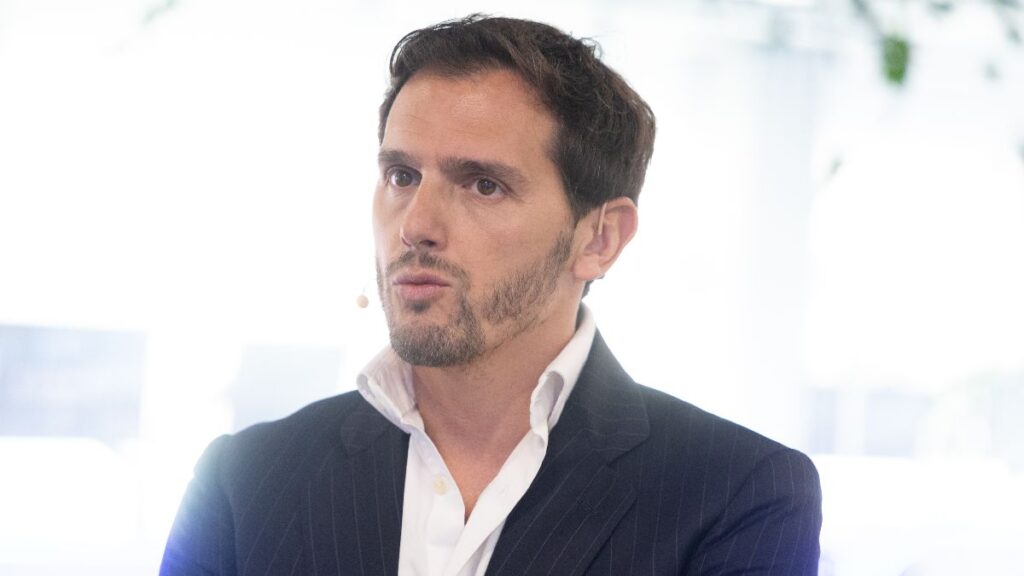
One of them is Albert Rivera, 47 years old and former president of Ciudadanos, who has spoken about this issue in interviews with Idealista and also in statements to Magical Conversations. For Rivera, housing has become “the goose that lays the golden eggs of the State” and he believes that the measures taken so far have not managed to solve the problem.
“In a literal hour you can be living in the middle of the countryside”
One of its proposals is to stop concentrating all housing demand within the large capitals. To do this, it is considered essential to take advantage of well-connected cities and municipalities where prices are lower.
“One hour from Madrid you can live with a cheaper rental or property, with spectacular environmental quality and with schools that are sometimes equal to or better than those you can find in Madrid itself,” he says.
Rivera gives as examples cities such as Toledo, Ávila, Segovia, Aranjuez or Alcalá, which he considers part of a much larger residential environment in the capital.
Its approach is to take advantage of teleworking, better connections and greater mobility to reduce pressure on areas where practically all demand is currently concentrated.
That houses be built faster and in places other than the big capitals
Rivera admits, however, that the real estate market is once again “very tense” and in his opinion it will not be enough to simply regulate prices. And, for him, more homes and new ways of carrying out their construction are needed.
One of them would be industrialized construction, with buildings partially manufactured using standardized processes that allow execution times to be reduced. As he explains, there are already companies capable of making homes “much faster, safer and more sustainable than traditional construction.”
Their idea, therefore, combines increasing the supply with expanding the radius in which families look for a home. Obviously, not everyone can work remotely or undertake daily one-hour trips, but Rivera believes that improving connections can offer alternatives to those who are currently forced to compete for housing within large cities.
Ada Colau proposes a 10% tax on each apartment from the fourth if they total more than 800,000 euros and Xavier García Albiol responds forcefully: “9 out of 10 homes are owned by individuals”

Àngels, fishmonger with 40 years of experience: “When I retire, this will end. It is a neighborhood full of tourist apartments, there is no neighborhood”
For the former leader of Ciudadanos, the problem is not only in how much an apartment costs, but also in having concentrated housing, employment and services in the same points. His proposal is based precisely on trying to distribute them.