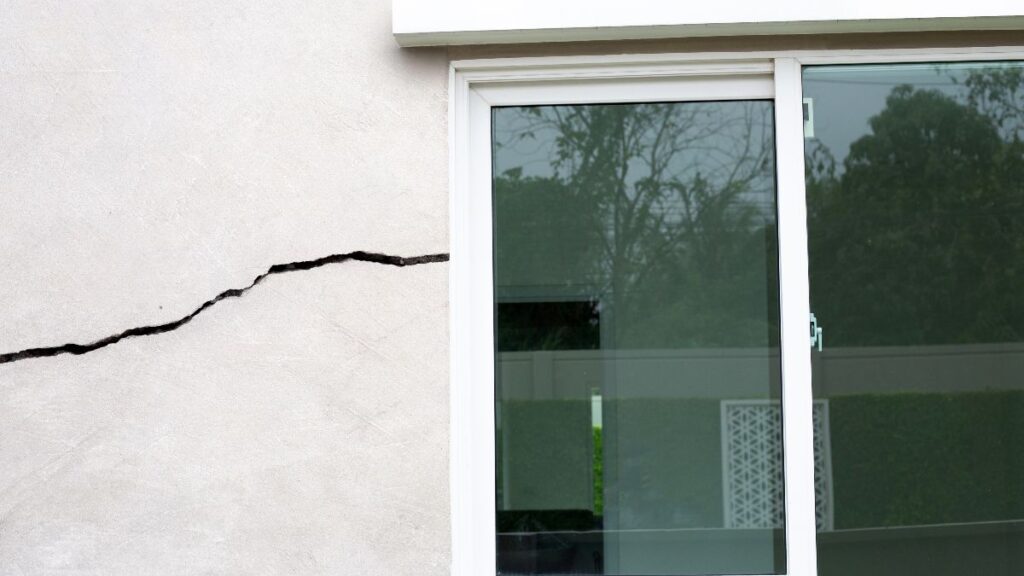
Buy a house and renovate it Converting it into the family home requires a significant investment and the last thing buyers expect is to discover a few years later that the house has structural problems and that repairing it means investing double what they paid for it. This is exactly what happened to a couple in France who bought a house for 162,000 euros and nine years later face repairs valued at 350,000 euros because the walls are cracking and they fear it will end up collapsing.
According to information published by Le Figaro Immobilierthe couple lives in the house with their two children, and they bought the house in 2017. After that purchase they made an initial investment of 40,000 euros to renovate the kitchen, change the windows and renew the floors and paint.
However, at the end of 2025, small cracks began to appear inside the house that, as the months went by, became larger and larger, but it was when they returned from vacation in August of this same year that they discovered greater damage. Some walls had cracked, the floor was sinking and the bathroom tiles had broken. Now they hope that the insurer will take charge of the repairs, although to do so they need their municipality to be recognized as an area affected by a natural disaster.
Cracks run through the walls and repairs cost 350,000 euros
After returning from the holidays, the situation at home had gotten worse. “When I looked up, I saw that the bathroom tiles had shattered. It was quite shocking,” the owner explained.
When they checked the rest of the house, they found that some cracks had reached seven millimeters wide and others went through the walls, to the point that the adjoining room could be seen through them.
They also discovered that the floor had begun to sink, the doors were rubbing, and the baseboards and kitchen countertops no longer fit together like they used to.
Faced with this situation, they hired an expert who, after examining the damage, considered that it was probably due to the movements of the ground caused by the contraction and expansion of the clay.
This phenomenon occurs when the soil dries out during periods of drought and contracts, causing subsidence that can end up cracking the walls and foundations. When it rains again, the clay absorbs water and the ground moves again.
The expert estimated that repairing the damage and reinforcing the foundations would cost around 350,000 euros. In addition, he warned that, if the works are not carried out, the house could become uninhabitable in about ten years, although the deterioration could accelerate if the droughts continue.
“The priority is to know if we can continue living in our house”
One of the couple’s main concerns is that they do not have the money necessary to undertake repairs of such an amount. They both work, she as a caregiver and he as a tree trimmer, and they say that it is impossible for them to pay 350,000 euros out of their pocket.
For this reason, they expect the insurance company to cover the damages. However, the company has informed them that it will not be able to take charge of the repairs until the municipality is officially recognized as an area affected by a natural disaster.
In France, this type of damage can be covered by insurance, but it is necessary for the authorities to officially recognize the phenomenon. The couple has already submitted an application to the City Council, which confirmed having started the procedures in 2026.
Meanwhile, the owners continue living in the house with their two children, although they acknowledge that it is increasingly difficult for them to imagine their future there. “It was our first purchase and we planned to stay there for the rest of our lives,” they explained.
The Treasury allows two joined homes with different cadastral references to count as a single habitual home.
He paints the roof of his house red and his community of neighbors forces him to change it because it clashes with the rest of the homes.
“The priority is to know if we will be able to continue living in our house with our two children without fear,” they lamented while waiting for their request to be resolved and the repairs to begin.