

Add NewsWork in 
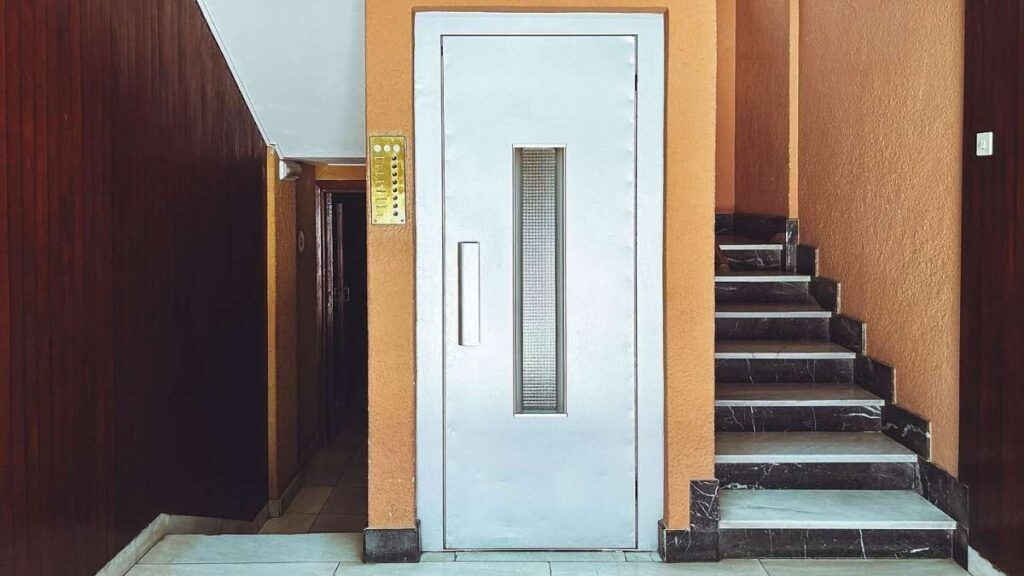
Although currently a large part of the buildings in Spain already have an elevator, there are still neighborhood communities that do not have this facility due to the age of the building. The Horizontal Property Law establishes clear obligations for communities in terms of accessibility, and although install an elevator It can involve a high expense, all residents are obliged to pay for its installation in certain cases, even if they are not going to use it or vote against it.
This occurs when the installation is necessary to guarantee the accessibility of the building. Specifically, article 10.1.b) establishes that “works and actions that are necessary to guarantee reasonable adjustments in terms of universal accessibility” will be mandatory when requested by people with disabilities or people over 70 years of age, with the aim of guaranteeing their accessibility.
The law itself makes it clear by pointing out that these actions include “the installation of ramps, elevators or other mechanical and electronic devices that favor orientation or communication with the outside.” Furthermore, it adds that these works will be mandatory as long as the cost passed on annually does not exceed 12 ordinary monthly payments of common expenses, or even without that limit if there is sufficient public aid.
All owners must pay, even if they do not agree
Once the installation of the elevator is mandatory, the community cannot refuse and all residents must assume the cost. This is stated in article 10.2, which establishes that these actions must be borne by the community in accordance with the law, without board approval being necessary in these mandatory cases.
This implies that the expense is distributed among all owners according to their participation fee, regardless of whether they voted in favor or against.
Furthermore, the law goes further and warns that owners who oppose or unjustifiably delay these works can be held accountable for the consequences and “will be individually liable for any sanctions that may be imposed administratively.”
Therefore, refusing without just cause not only does not avoid payment, but may lead to additional responsibilities.