


Buy a home It does not always mean starting from scratch with the financial obligations of the property. The Horizontal Property Law makes it clear that, in the case of purchasing a property in a community of neighbors, the new owner can respond for part of the outstanding debts with the community generated by the previous owner.
This is stated in article 9.1.e) of the Horizontal Property Law, which establishes that the purchaser of a home or premises under a horizontal property regime is responsible “with the acquired property itself” for the amounts owed to the community for the maintenance of general expenses.
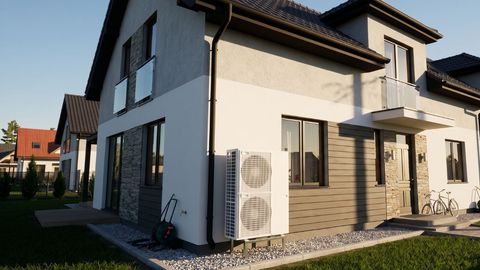
A neighbor installs an air conditioner despite the community’s rejection and the court agrees with him: he does not have to remove it because he did not puncture the façade or alter common elements in a relevant way.
The Supreme Court equates tourist rentals with lodging and endorses the community statutes that veto this use
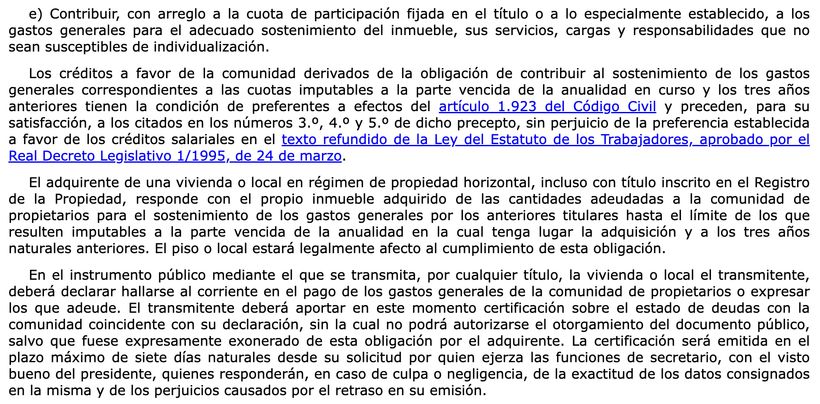
In practice, this means that a person who buys an apartment with outstanding community bills may be forced to assume these amounts even if the debt had been generated by the former owner. The law also adds that the home is “legally affected” by the fulfillment of this obligation, which allows the community to judicially claim those amounts linked to the property.
The liability of the new owner has limits
The regulations also allow the community to initiate legal action to claim unpaid amounts. Article 21 of the LPH regulates the specific monitoring procedure to claim community debts, allowing the demand for both ordinary fees and contributions or contributions to the reserve fund.
Furthermore, the law establishes that credits in favor of the community are preferential over other creditors in certain cases.
Although the LPH allows you to claim part of the debts from the buyer, this responsibility is not unlimited. The community can only demand:
- the fees corresponding to the current year at the time of purchase;
- and those of the previous three calendar years.
Amounts prior to that period will continue to be the responsibility of the former owner.
For this reason, horizontal property specialists recommend always requesting the debt certificate before purchasing a home, especially in buildings with pending debts or economic conflicts within the community.
The seller must declare if there are debts with the community
The Horizontal Property Law also requires the seller to report the payment status of the home before formalizing the sale.
The same article 9.1.e) establishes that, in the public deed of transfer, the transferor must declare whether he is up to date with the payment of community expenses or expressly indicate the amounts he owes.
In addition, you must provide a certificate issued by whoever performs the functions of secretary of the community, with the approval of the president, certifying the debt status of the property.
The law even states that, without this certificate, the signing of the public deed of sale cannot be authorized unless the buyer expressly exonerates the seller from this obligation.