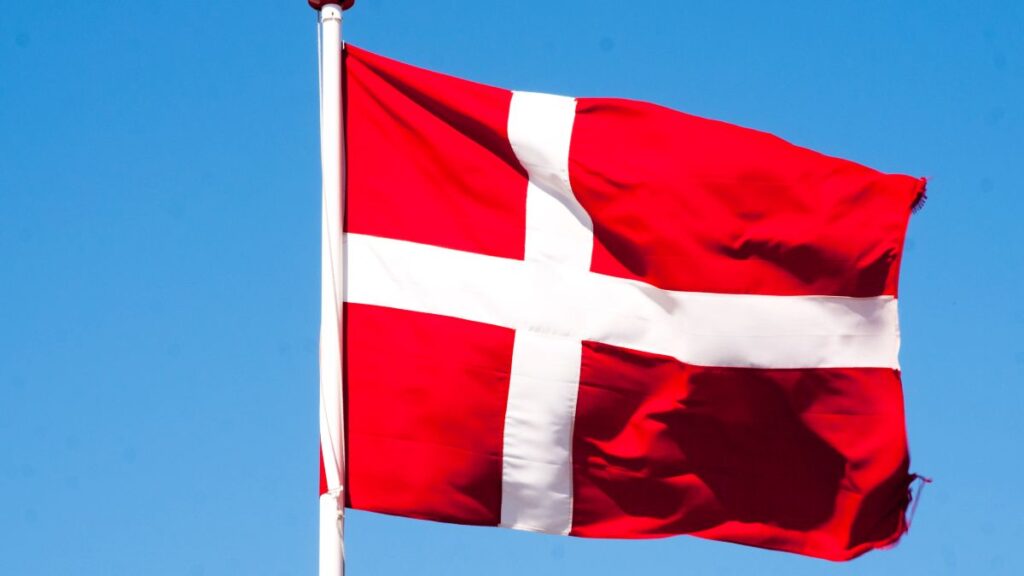
The pension system in Denmark has become a benchmark and one of the cases most cited by experts due to the sustainability and sufficiency of benefits to a population that is increasingly aging. A study carried out by Torben M. Anderson, Svend E. Hougaard and Jesper Rangvid highlights the good functioning of a system which contrasts with countries like Spain, where the benefits received by retirees and pensioners depend on Social Security.
Under the title of ‘The danish pension system‘, presents a model in which a redistributive public contribution base is combined with the development of (occupational) pension plans that has allowed Denmark to place itself in a very good position with regard to the well-being of its elderly who no longer work.
In these cases, it is inevitable to compare what is done in other countries with Spain. Both face the same challenge, increased life expectancy and an increasingly lower birth rate. And in both cases, decisions have been made and strategies have been implemented to avoid the plummet of their pension systems.
The Spanish Government’s pension piggy bank continues to cause people to talk and experts, such as Social Security official Alfonso Muñozthey are clear: “there is not even enough to pay pipes.”
Pensions are public financed by taxes
In Denmark, a hybrid model is presented. On the one hand, the public pension is maintained, which is supported by citizens’ taxes and which aims to guarantee minimum income to retirees. And on the other hand, pension plans that are negotiated between workers and companies that are based on the capitalization of each person are generally incorporated.
In this second case, assets equivalent to more than double the country’s GDP are added, being the main mechanism for the replacement of income. Spain, for its part, relies on the contributions of workers who finance pensions.
Although there are complementary private pension plans, they are marginal and do not have the same importance as in the case of Denmark.
Danish pension system plans for the long term
One of the most notable elements of the Danish pension system is its ability to adapt. Proof of this is the reform that was carried out in 2006, in which a mechanism was introduced that links the retirement age to life expectancy, so adjustments can be made without depending on political decisions.
In Spain, the reforms have been more gradual, dependent on the decisions of the Ministry of Social Security and subject to political negotiation. It is true that the retirement age is being raised progressively, but not as explicitly as in Denmark.
Danish reforms are announced years in advance so it is easier for them to be implemented gradually.
Savings incentives, a problem
The Danish system is not free of tensions; the coexistence of public pensions that are subject to income criteria and private plans generates effects that can harm those who have savings plans or incentives. Because the more a worker manages to save, the lower his pension can be. The authors of the report call this “implicit taxation.”
In addition, they find inequalities between the coverage of occupational plans and differences in life expectancy depending on socioeconomic level. In Spain, we see that the main challenge continues to be the sustainability of the pension fund. The increase in the number of pensioners, together with job careers that are unstable with a lack of stability, cause imbalances.
The reforms that the Government of Spain has carried out in the pension system (such as reinforcing income through contributions or intergenerational equity mechanisms), they seek to contain this imbalance but do not alter the model.
What is Denmark doing? Choose to diversify your financing sources and transfer part of the effort to individual savings. It reduces direct pressure on public accounts with risks associated with financial markets, especially when there are low profitability environments.