charged for years plus rent for some works made in the building. Aunque el inquilino aseguraba que eran cantidades indebidas y había pedido explicaciones en varias ocasiones, la Justicia entiende que, como no se opuso dentro del plazo legal y siguió pagando, había aceptado los incrementos.
It was about the rental of a commercial premises that she had had since 1974, and according to the ruling of January 19, 2026, it was from 2013 onwards that the owner began to include in the rent 513.52 euros per month for conservation works on the building, an amount that in January 2017 increased to 638.30 euros.
It was the owner of the premises who initially sued him, demanding the outstanding monthly payments, but the tenant responded by demanding this money that he considered he had paid too much. The Court of First Instance number 39 of Barcelona agreed with him in this sense and recognized his right to recover it, something that the Provincial Court later revoked.
The owner could charge for the building works and the tenant did not object within the legal period
One point that must be taken into account is that, since it is a rental contract from 1974, the regulations applicable to it are the Urban Leases Law of 1964 and the transitional provisions of the 1994 Law. This law allows the landlord to pass on to the tenant the improvement works carried out in the building, yes, as detailed in the ruling, as long as these are imposed by the Administration.
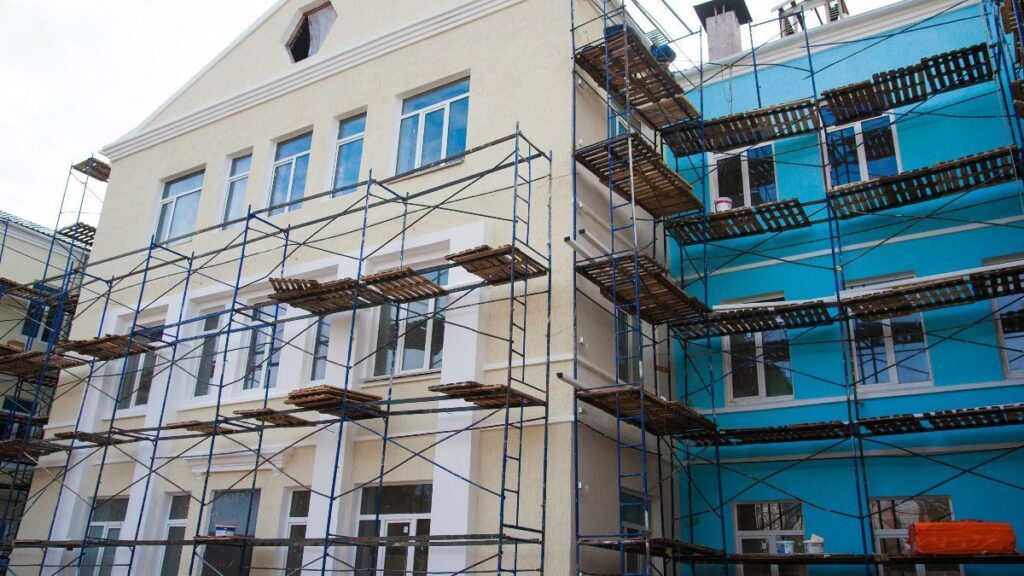
In the case of this rental, the works that were carried out in the building in which the premises were located were motivated by a Technical Building Inspection (ITE), in which serious deficiencies had been detected, so they could be passed on in accordance with that regime.
Now, article 101 of the Urban Leasing Law of 1964 establishes that the tenant has 30 days to communicate in writing whether he accepts or rejects the increase, his silence being understood as a tacit acceptance.
Aunque el inquilino había enviado varias cartas solicitando facturas y cuestionando las cantidades, la Audiencia consideró que estas comunicaciones no constituían una oposición en tiempo y forma, sino principalmente peticiones de información. Furthermore, he had continued to pay for years.
Therefore, he understood that he had tacitly accepted the increases and the owner was not obliged to return the amounts claimed.
The tenant did not request a review or return on time
On the other hand, the tenant argued that the owner had unjustly enriched herself by charging him for works that she considered improper. However, the Court rejected this argument because it had not requested the review of the increases within the three-month period provided for in article 106 of the Urban Leases Law of 1964.
As the ruling explains, even if a tenant has tacitly accepted an increase, he or she can request its review and the return of what was unduly paid if he or she considers that it exceeds what is legally permitted. Of course, it must be done within the established deadline, something that did not happen in this case.
In fact, the tenant did not claim the refund until January 2021, after receiving a payment request from the owner. Furthermore, in March 2020 he had signed a rent deferral agreement without showing disagreement with the amounts included for the works.
A landlord tries to kick out his tenant because he needs the house to live with his family, but he refuses to leave because the contract was valid and the owner had another house

A community of neighbors gets the court to force an owner to remove two enclosures from his terrace to repair the humidity on the floor below
Therefore, the Provincial Court revoked the court’s decision and rejected the tenant’s claim of 33,345.18 euros, although against this ruling (SAP B 717/2026) it was possible to file an appeal.